The Science and Politics of Masks in the Covid-19 Pandemic

Science

Robert Wachter, writing on Medium:

Why is masking so difficult to maintain among the public? In Asia, face masks are now seen as a normal accessory. In the U.S., they’re still seen as awkward and stigmatizing. Historically, they have been a sign of illness or danger. This aversion, plus the fact that the benefit of masks mostly accrues to others, is why we need to make mask-wearing mandatory as long as SARS-CoV-2 is active in our communities, at least in closed spaces (as San Francisco has done).

One of the most common questions is whether it is necessary to wear a mask when walking or exercising outside. Empiric and simulation studies have shown that there is practically zero risk of viral spread when one is outdoors and keeping a distance of greater than six feet from others. I personally don’t wear a mask when walking the dog (but I do keep one with me just in case I encounter someone at close range). But I always wear a mask inside, or if an encounter within six feet is likely.


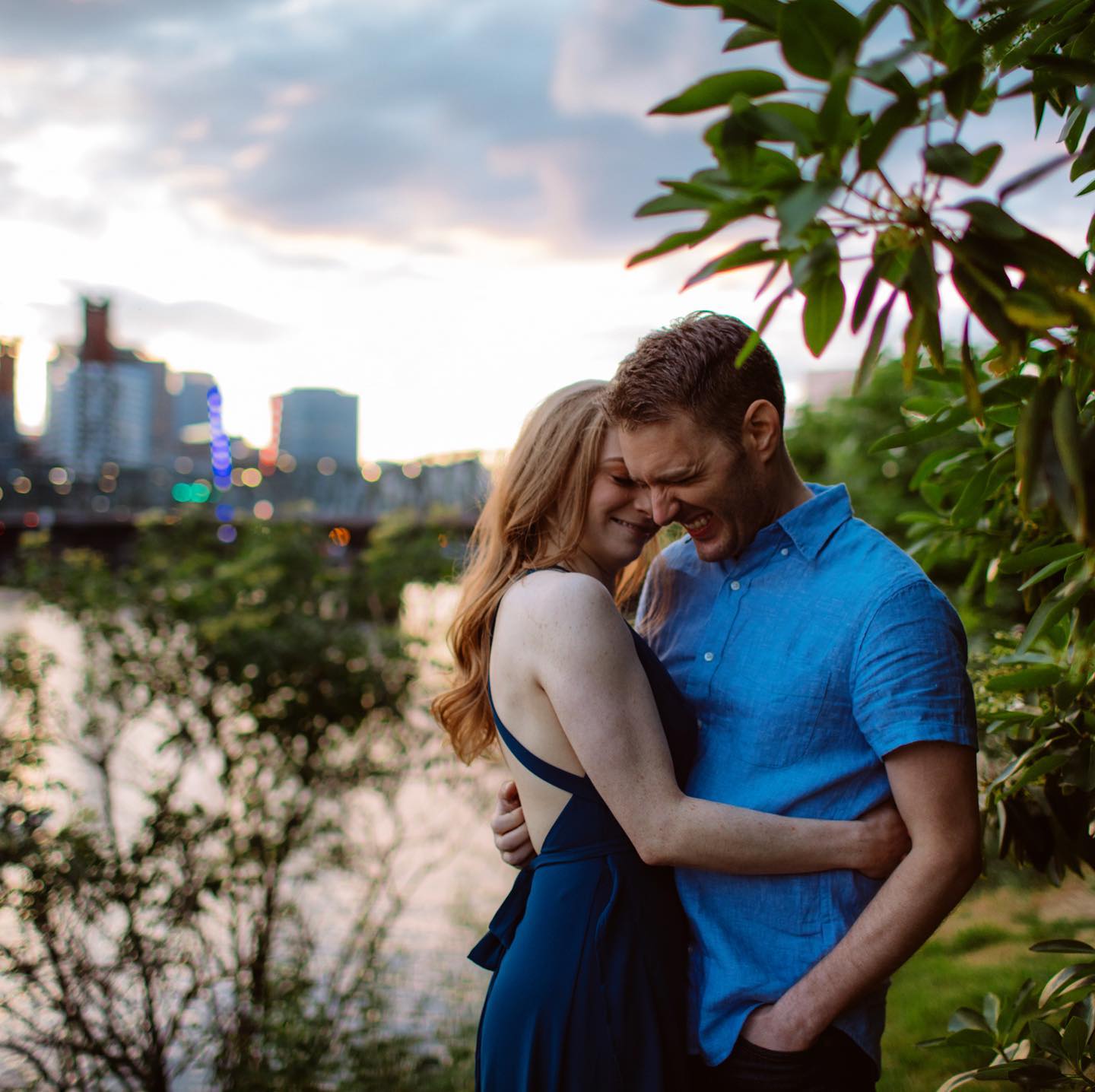
Happy birthday to the love of my life @drhannahtate. I know things are tough right now with everything going on in the world, but there’s no one I’d rather go through it with than you.

What You See Are People Pushed to the Edge

Kareem Abdul-Jabbar, writing at the LA Times:

Yes, protests often are used as an excuse for some to take advantage, just as when fans celebrating a hometown sports team championship burn cars and destroy storefronts. I don’t want to see stores looted or even buildings burn. But African Americans have been living in a burning building for many years, choking on the smoke as the flames burn closer and closer. Racism in America is like dust in the air. It seems invisible — even if you’re choking on it — until you let the sun in. Then you see it’s everywhere. As long as we keep shining that light, we have a chance of cleaning it wherever it lands. But we have to stay vigilant, because it’s always still in the air.

The Militarization of the Police

The Atlantic

Nick Baumann on the militarization of the American police:

“You create this world where you’re not just militarizing the police — you equip the police like soldiers, you train the police like soldiers. Why are you surprised when they act like soldiers?” Rizer, a former police officer and soldier, said. “The mission of the police is to protect and serve. But the premise of the soldier is to engage the enemy in close combat and destroy them. When you blur those lines together with statements like that … It’s an absolute breakdown of civil society.”

American police officers generally believe that carrying military equipment and wearing military gear makes them feel like they can do more, and that it makes them scarier, Rizer’s research has found. Officers even acknowledge that acting and dressing like soldiers could change how the public feels about them. But “they don’t care,” he said.

Research on How to Stop Police Violence

Math

From Samuel Sinyangwe, a thread about solutions to stop police violence:

More restrictive state and local policies governing police use of force are associated with significantly lower rates of police shootings/killings by police. This is backed by 30+ years of research.

Demilitarization. Police depts that get more military weapons from the federal govt kill more people. You can stop that from happening through local and state policy. Montana (Red state) has gone the furthest on this.

Police Union Contracts. Every 4-6 years your police dept’s accountability system is re-negotiated. Purging misconduct records, reinstating fired officers, dept funding- it’s in the contract. Cities with worse contracts have higher police violence rates.

Blast from the Past: My End of Year Lists from 2005-2015

AbsolutePunk.net Heart

Yesterday, I posted about finding and recreating all of the AbsolutePunk.net best of lists from 2005-2015. In an incredible turn of events, a reader actually had saved all of my personal best of lists and sent them to me. I didn’t have anything earlier than 2011 and I thought these were lost to time.1 I am extremely happy to be able to add them back into the Chorus.fm database for posterity.

These are a nostalgia trip. I’ll have to write more about my decision making process, from what I can remember of these eras, at some point, but for now I’m just happy to have them back on our “End of the Year” page.


  1. The era before I was doing any kind of regular back-ups, let alone keeping everything I write in text files on my computer.

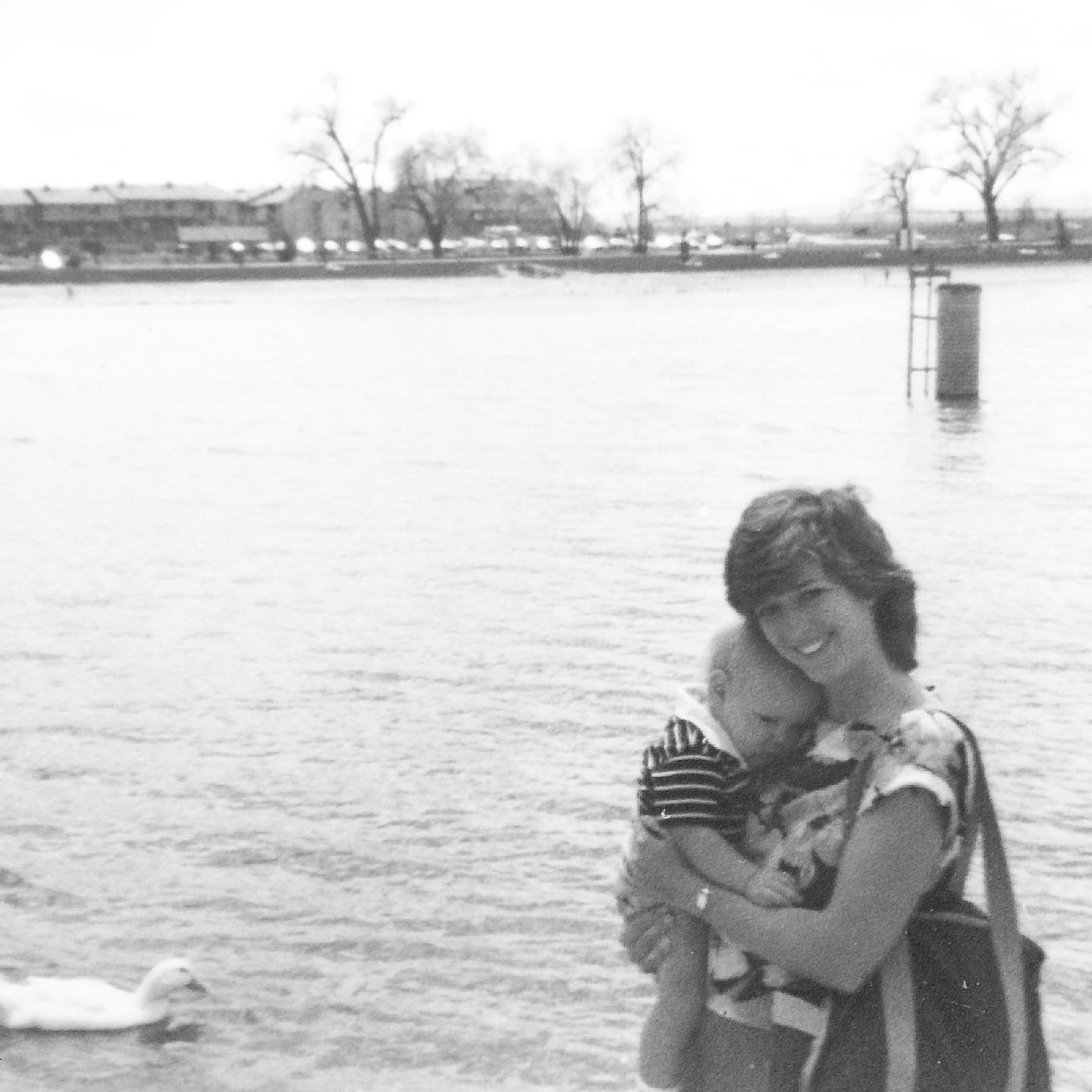
Happy Mother’s Day to the most amazing mom a kid could have ever asked for. You taught me strength, courage, the love of a good book paired with a sweet tooth, and so much more. 💙

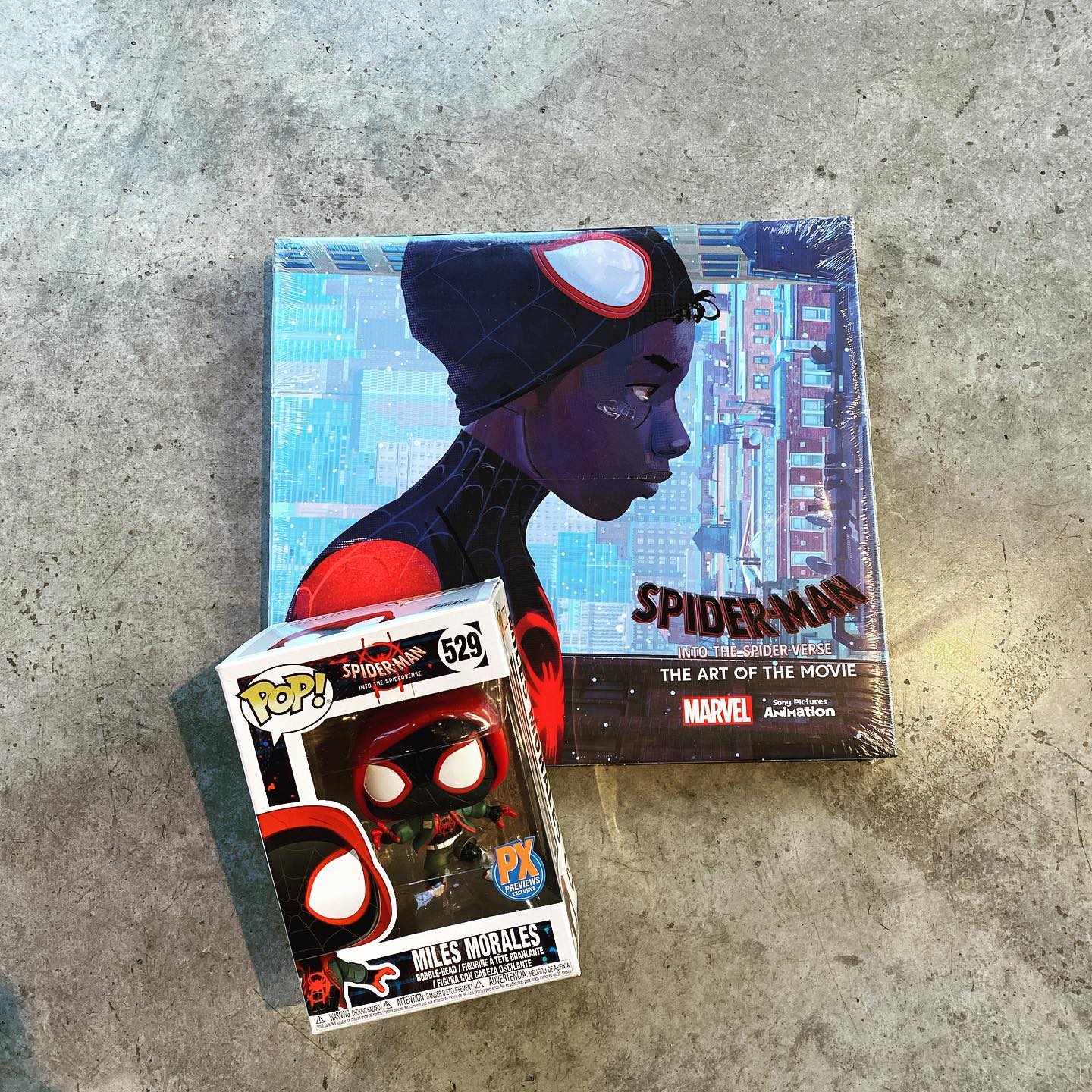
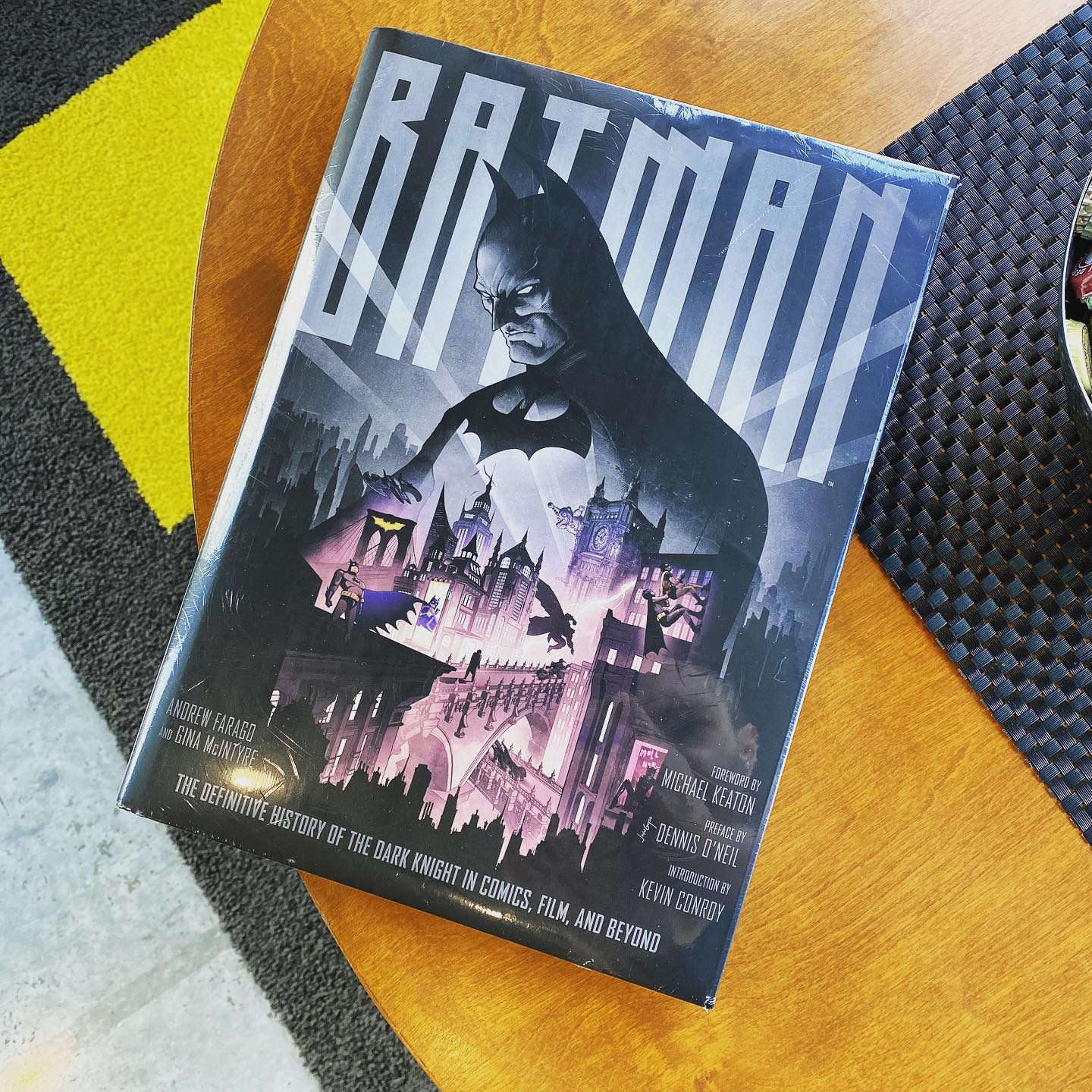
Extremely weird birthday this year. Definitely gonna be one I’m never gonna forget through. Plus this awesome gift from @drhannahtate will be great to get into while we can’t go anywhere.

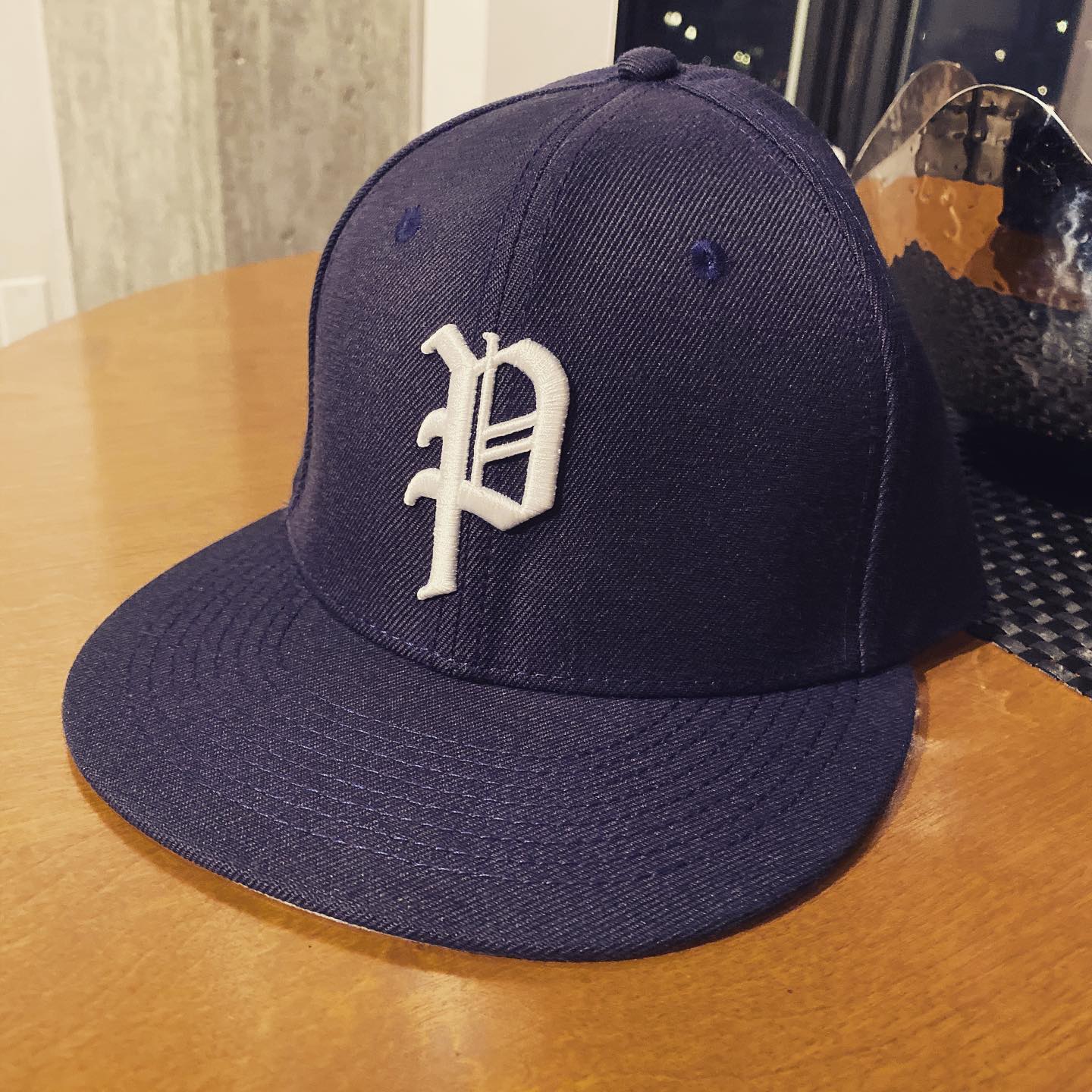
Extremely happy to support the @portlanddiamondproject and the idea of baseball in Portland. Thanks for the perfect Valentine’s Day gift @drhannahtate.

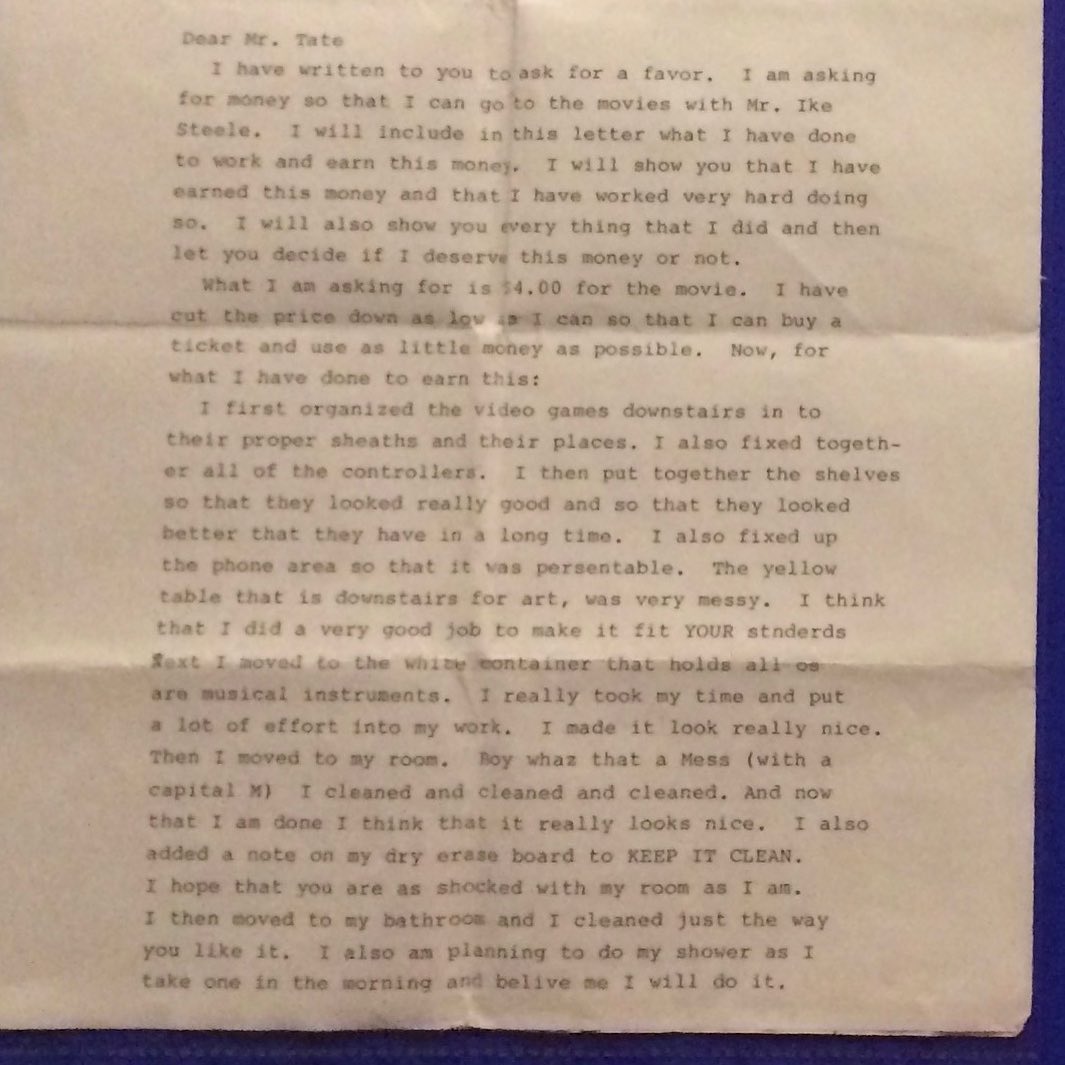
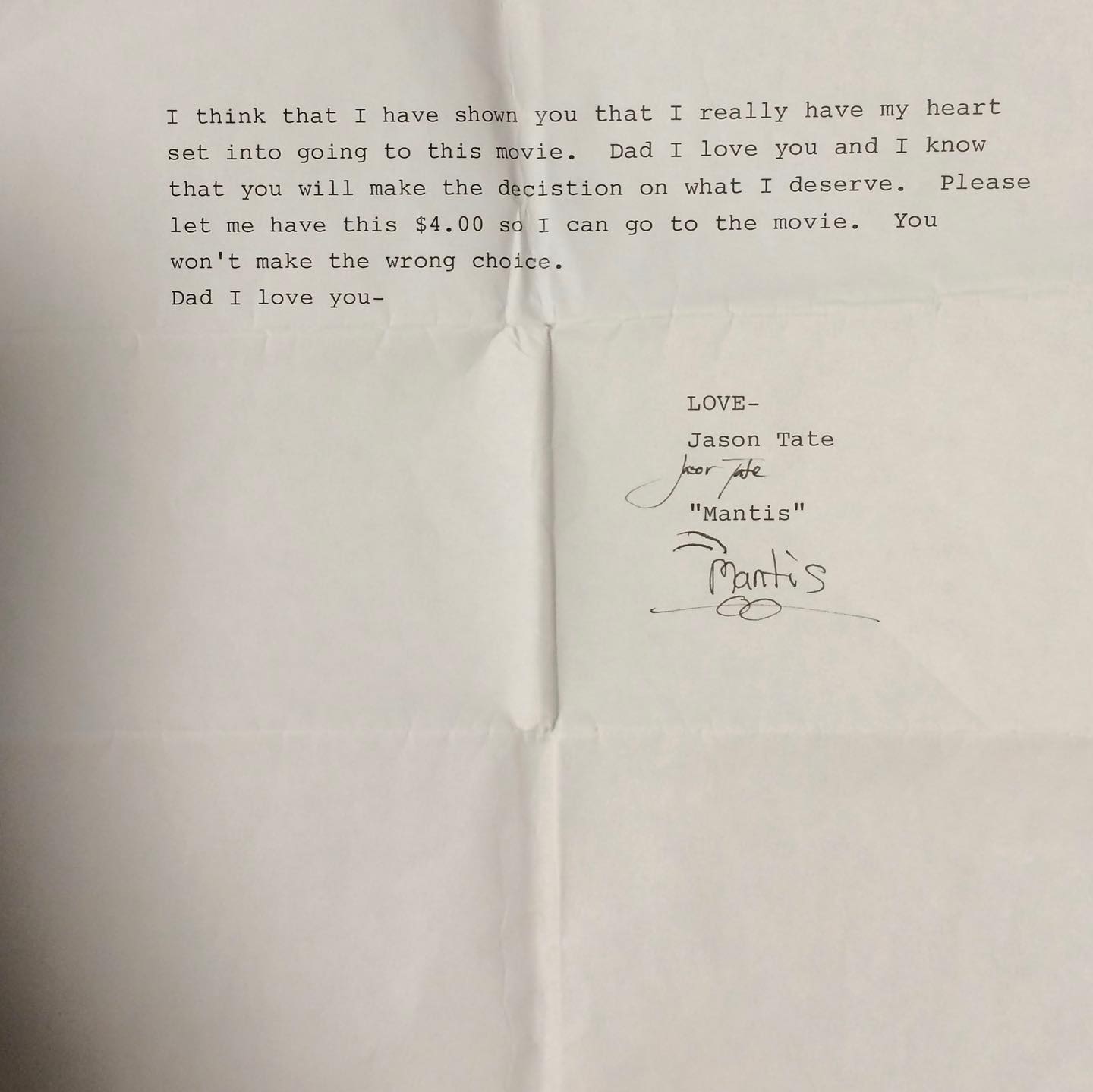
My mom found a letter I wrote to my dad to get four bucks to see a movie when I was a kid. On a typewriter. I have so many questions, first of which is why I was calling myself Mantis and why my callsign signature had balls on it?! ~~~ MANTIS ~~~00~~~