

Well then. That was a weird year.
In many ways, 2016 was a whirlwind—a confusing and frustrating year that will probably always be defined by its political tension and long list of celebrity deaths. For our staff and community, 2016 was also marked by the end of AbsolutePunk.net and the birth of Chorus.fm, a major transition that brought some serious nostalgia about the place where many of us grew up online.
No matter where you were or what you were going through in 2016, though, you probably at least had a great soundtrack to keep you company. By almost every metric, 2016 was a remarkable year for albums. If you are a fan of pop music and superstar acts, there was certainly no shortage of marquee releases for you to sink your teeth into. Even beyond the blockbuster surprises and capital-I “Important” albums, though, the year was a goldmine. Rock music was vibrant, highlighting both new bands and longtime veterans. Country music continued a resurgence that even self-described country haters could get behind. Hell, even the movie musical came back in a big way.
In virtually every genre or category, 2016 provided a wealth of new musical treasures. It’s no wonder that our contributors placed votes for 267 different albums while compiling this list. Ultimately, though, it was the 30 records listed below that rose to the top.
Note: Check the bottom of this post for links to individual contributor lists.
1. Jimmy Eat World – Integrity Blues
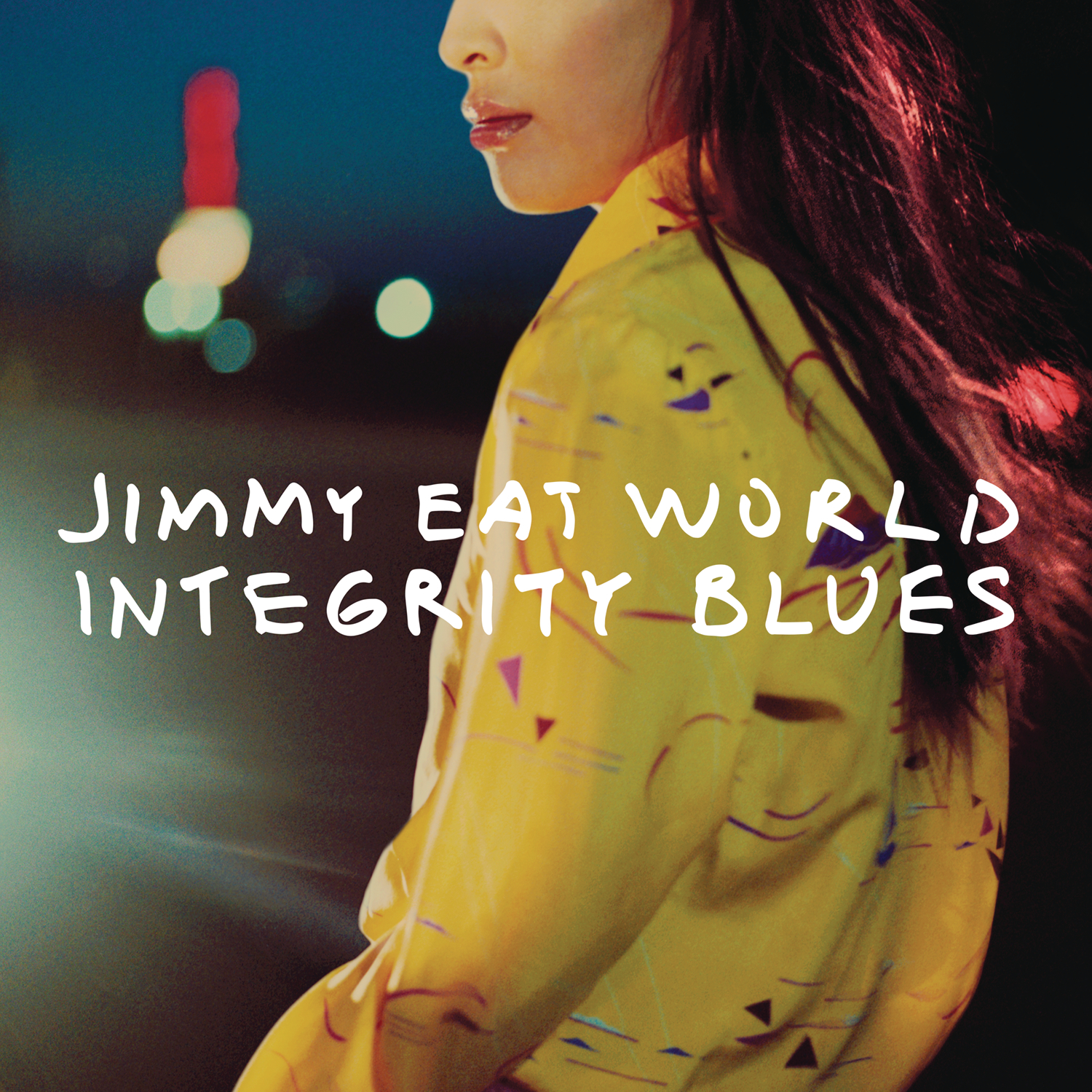 At Chorus.fm, our album of the year this year wasn’t what other publications rallied around. It wasn’t Beyoncé or David Bowie or Frank Ocean, though all appear somewhere below. It wasn’t even The 1975, a band that our community has been supporting since the very beginning, and one that actually did earn a few notices from other sites. Instead, our favorite album of 2016 came from a band that helped to mold and shape not only my own musical tastes, but also the entire community that Jason has been working to build since AbsolutePunk.net began. And while 2016 saw the sun go down on AbsolutePunk, it also sees Jimmy Eat World claiming our Album of the Year title. As the old mantra goes, “The more things change, the more they stay the same.”
You don’t expect a rock band to deliver what is arguably their career peak more than two decades into said career. That statement is especially true given the fact that a lot of people don’t even know that Jimmy Eat World exists beyond “The Middle” (a song that, oddly, saw a resurgence of popularity in 2016). But it’s hard to stop hurling superlatives at Integrity Blues, a truly magnificent record whose songs already feel like old friends and trusted companions, even after just a few months. The most obvious reason for that friendly and familiar feeling is that many of the best songs on Blues wouldn’t have been out of place on 2004’s Futures, still Jimmy Eat World’s high water mark. From the perfect rain-soaked highway anthem that is “It Matters” to the propulsive ricochet of rockers like “Through,” Integrity Blues may be Jimmy Eat World’s ninth album, but it frequently feels like it could have been their fifth or sixth. Here, Jimmy Eat World don’t sound like aging rockers at all. Rather, they sound like a band in their prime, still writing songs with huge hooks, beautiful arrangements, soaring vocals, and lyrics that hit you right in the gut.
Of course, all of Jimmy Eat World’s albums have those ingredients. What makes Integrity Blues the band’s finest work in a long while is its surprising thematic heft. Though not a breakup album, per se, Integrity Blues has a general theme of bettering yourself, getting back up when you get knocked down, and growing from your heartbreaks and failures rather than letting them shatter you. “Lost and learning, wander ’til we’re old,” Jim Adkins sings in the catchy lead single “Sure and Certain,” and that’s the perfect distillation of what this record is about. We are, all of us, just works in progress. We are driving down a highway toward a destination we will never reach. While that fact might seem daunting or even a bit demoralizing, this record finds the beauty in it. Nothing can break you, because you’re always building and rebuilding. In a year like 2016, that message was something a lot of people needed to hear, and I’d like to think that some of them found strength in these songs when they couldn’t find it anywhere else. There are moments on the record, as in life, where the time comes to wallow in sadness: see the aforementioned “It Matters” or the fittingly titled “The End Is Beautiful.” But album closer “Pol Roger” is all hope, recovery, resilience, and elation—a bracing reminder to never stop fighting, no matter the injury. “First, they’ll think you’re lost,” Adkins sings in the chorus, before giving us the simplest and most beautiful lyrical twist of the year: “But you’re not.” Amen. [CM]
2. The 1975 – I like it when you sleep…
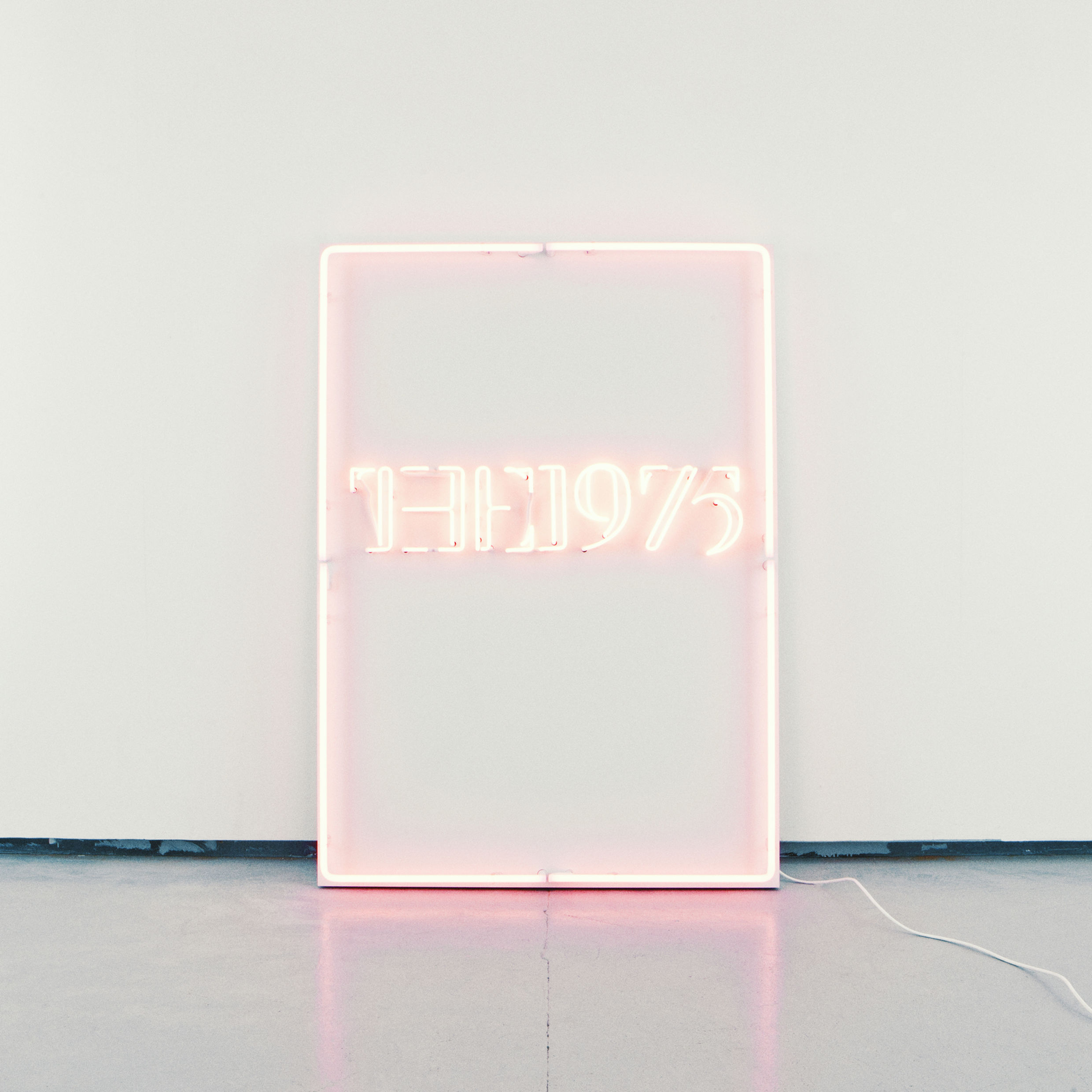 In 2016, The 1975 released a really good album with a really fucking annoying album title. The album — dear god they’re going to make me type it — I like it when you sleep, for you are so beautiful yet so unaware of it, was released so early in 2016 that I was initially afraid I’d forget about it by when it came time to write these little lists. Instead the album just flat out dominated my listening throughout the year and kept its frontrunner status in Usain Bolt like fashion. A compelling mixture of pop, rock, atmospheric electronics, and just the right amount of ostentatiousness created an album that defied seasons or labels and felt like the right album for virtually any mood I was in. It’s a lengthy record that spans genres with an almost brazen arrogance. However, it’s this arrogance and pride that gives the album its confidence to succeed where so many others have failed.
So, we end up with a great album, a mouthful of an album title, and a band that has solidified themselves as annoyingly good at almost everything they do. They’re undeniably one of the most interesting bands making music today and their obsessive control over their image, sound, production, and overall aesthetic has helped push them into rarefied air. Love them or hate them, The 1975 have left a mark on 2016. [JT]
3. The Hotelier – Goodness
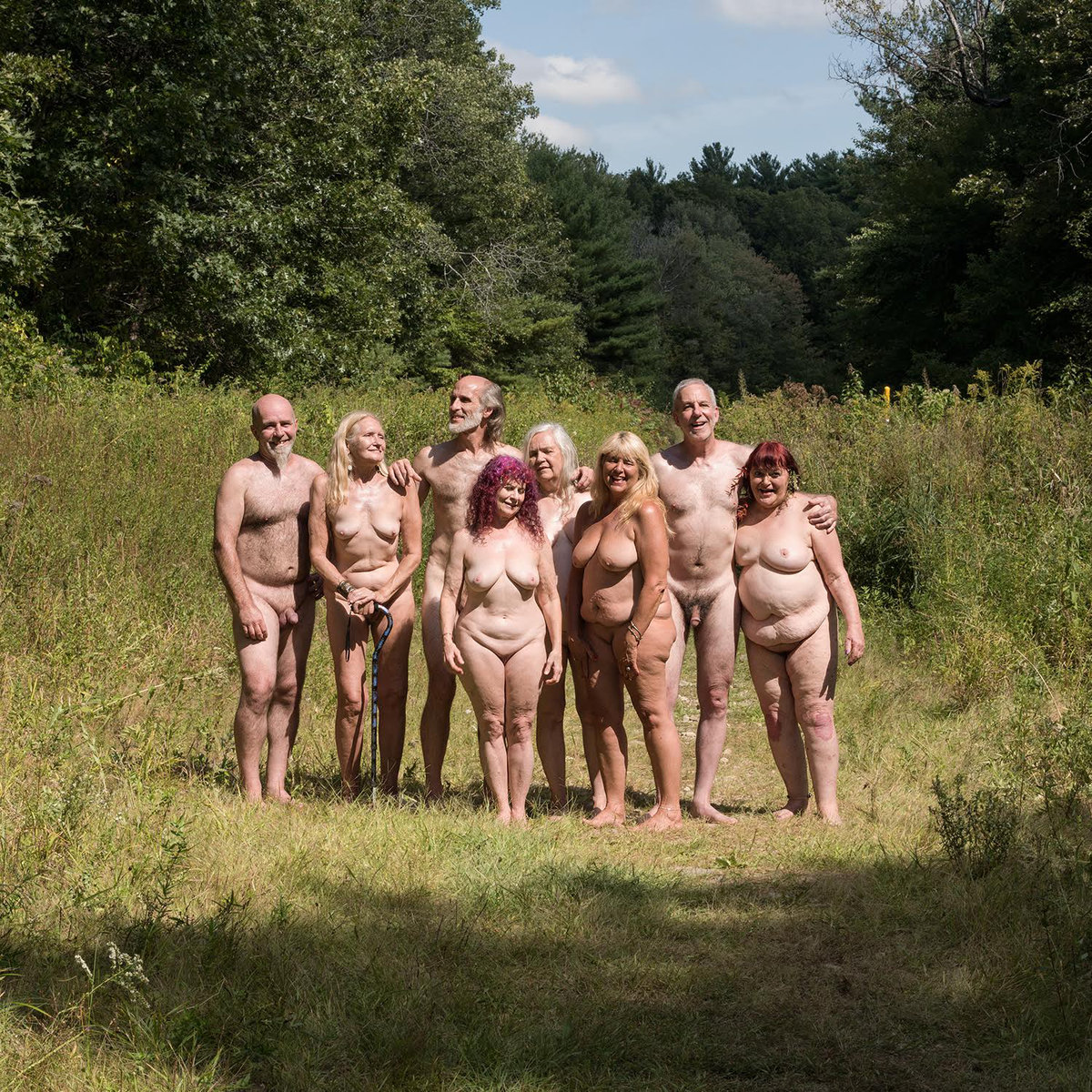 The Hotelier took the music industry by surprise in 2014 with their sophomore album Home, Like Noplace is There, vaulting their way to the top of the AbsolutePunk Top Albums countdown that year. Needless to say, the band’s follow up to that remarkable, fleeting burst of glory came with a weight of expectation that Home simply did not possess. Considering the album we got, Goodness, was not nearly as immediate and accessible as its predecessor, it could very well have been viewed as a colossal disappointment.
Instead, what we got is one of the most evocative, deeply woven, thoughtful records this music scene has ever received. I mean, hell, less than a week after it came out I wrote what is essentially a 4,000-word dissertation on the themes of the album, and I still could have kept going for a few thousand words more. With this record, vocalist Christian Holden and The Hotelier take on some of the fundamental questions of humanity: how to love and be loved, how to find meaning in your life, and how to find comfort in an increasingly tumultuous world.
To paraphrase myself from earlier this year, Goodness is a record I know I will keep coming back to again and again, year by year, falling in love again with the little details. I will keep coming back to that verse near the end of “Piano Player” where Holden pours all their longing onto the page: “But this floor is raised on beams of trust/And there’s room enough for both of us, so stay, sustain.” I will keep coming back to “Opening Mail for My Grandmother,” a song that had me in tears a dozen times thinking of my grandma in the last few years of her life. And I will keep coming back to closer “End of Reel,” the song that had my single favorite lyric of the year, a line that sums up the melancholy of growing older so beautifully: “I don’t know what I want, what I want’s where I’ve been.”
The bravery to begin an album with a spoken word poem, the deliberate dissonance which resolves into one of the most gratifying climaxes of the year on “Goodness Pt. 2,” the warmth of the build on
“Sun”: these things I love about Goodness don’t even begin to scratch the surface of what The Hotelier have achieved here. It would be easy, and fitting, to call Goodness The Hotelier’s magnum opus. So rarely has a band this early on in their career released an album as nuanced and deeply mature as this. And, yet, thinking about this band’s infinite potential makes me believe wholeheartedly that whatever they do next will top this one, and so on and so on until they stop making music or the sun explodes. [CI]
4. Touché Amoré – Stage Four
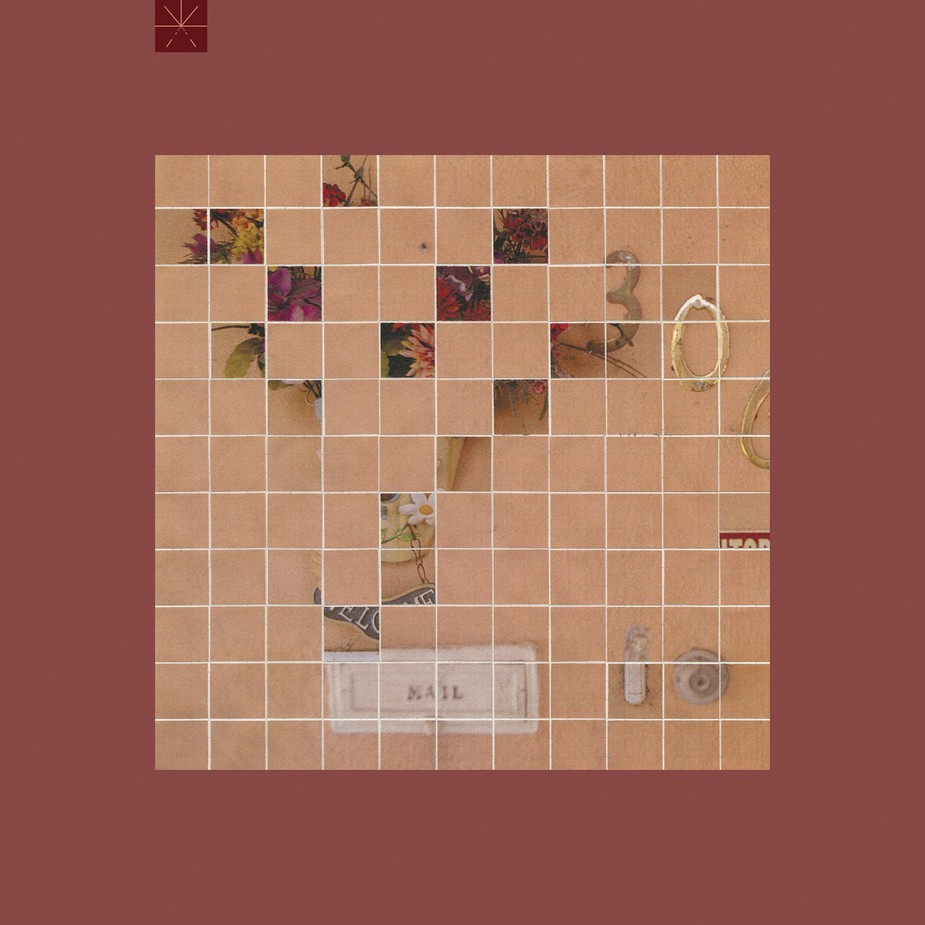 “I haven’t found that courage to listen to your last message to me.” Touché Amoré frontman Jeremy Bolm reveals that tidbit toward the end of the blistering “New Halloween,” the second track on his band’s fourth album (and Epitaph debut), Stage Four. The line signifies early on that Bolm was still coming to terms with the loss of his mother while writing and recording this album. In a big way, this album is about trying to figure how to exist in a world where your mother does not anymore. Throughout the record’s eleven tracks, Bolm shares some of the most vulnerable and fragile moments of the past few years of his life, from the guilt he battles everyday (“Flowers And You”) to his struggle with faith (“Displacement”), all the while remembering the impact his mother had on his life (“Skyscraper”). Weaving through many influences (including indie rock staples The National, the late Leonard Cohen, and genre heavy hitters like Converge and La Dispute), Stage Four covers the various stages of grief through a non-linear timeline of Bolm’s last two years.
I’ve listened to Stage Four at least once a week every week since the late summer. Something different moves me every time. Whether it’s Bolm’s shaky-strong scream of “I haven’t recovered” that punctuates the end of “Water Damage” or the somber sprawl crafted by guitarists Nick Steinhardt and Clayton Stevens on “Benediction,” this is an album that has shot Touché Amoré beyond the genre of hardcore and into a very exciting future. But more than that, Stage Four showcases the messy and confusing journey of losing someone you love, while simultaneously discovering the catharsis and clarity that emerges in the aftermath. [DB]
5. Pinegrove – Cardinal
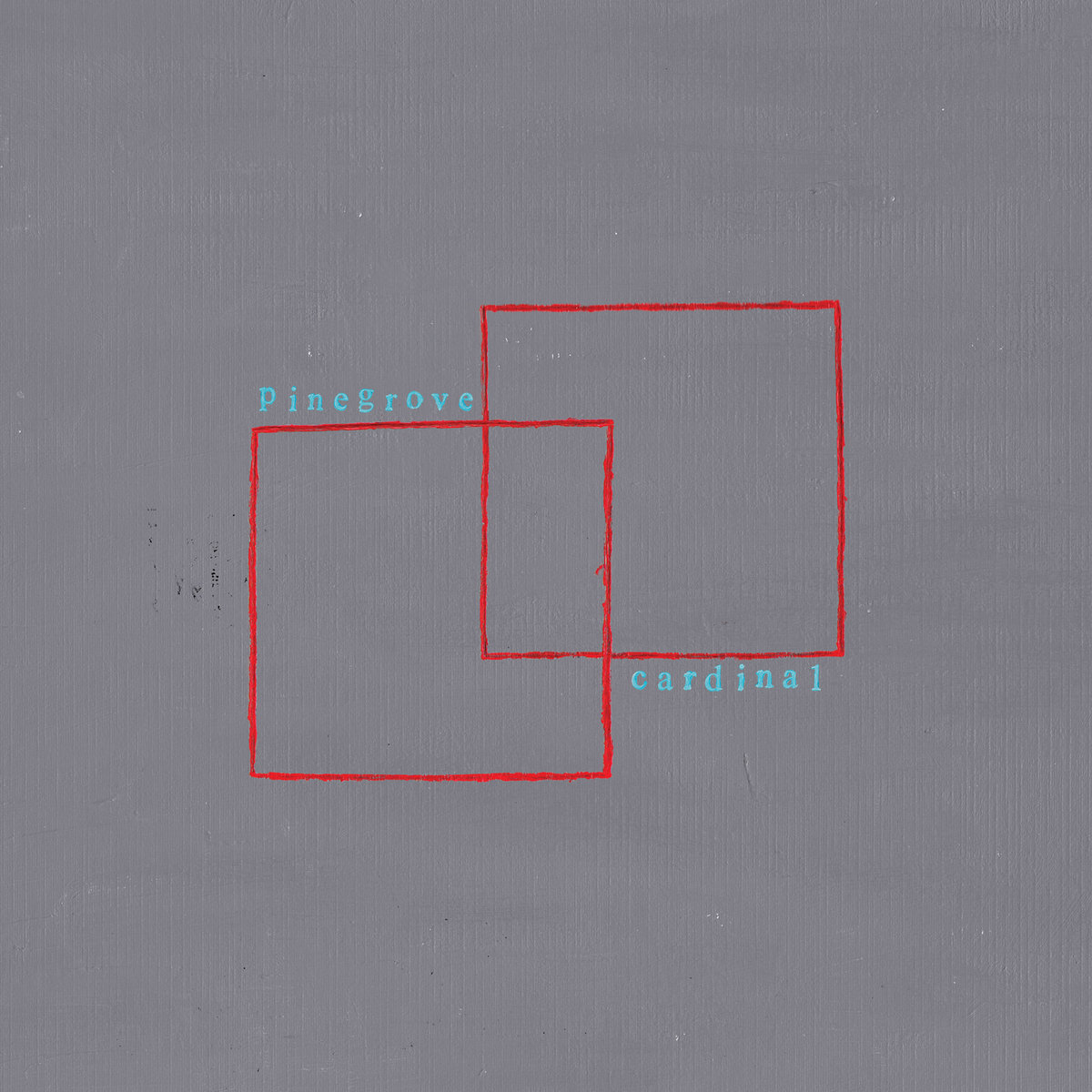 Any music fan can name at least one album that hit them at exactly the right time. The one that feels like it was written for them. The one they just needed to hear at a specific, singular moment in time. In a globally tumultuous year like 2016, there’s bound to be at least one album that any devoted music fan could say encapsulates their feelings about the state of things. For me, that album wasn’t anything overtly political or grandiose in scope; rather it was the immensely personal, small-scale Cardinal.
See, on a personal level, 2016 brought a great deal of change for me. This was the year I graduated high school, the year my friends all went far away to college, the year I started college, the year my so-called “real life” began. All along the way, Pinegrove’s second full-length provided the perfect soundtrack. When I drove home from my graduation ceremony, “Old Friends” was the first song I reached for. It managed to sum up the feeling of moving on better than I could’ve when my parents asked how I felt. “I should call my parents when I think of them,” sings frontman Evan Hall on the song’s devastating bridge. “I should tell my friends when I love them. And maybe I should’ve gone out a bit more when you guys were still in town, but I got too caught up in my own shit.” It’s lines like these that make Cardinal such a powerful listen. They aren’t dressed up in metaphors and they don’t say anything other than what they mean, but they’re immediate and they’re applicable to anyone at a specific moment in life.
They were especially resonant for me as I started my first semester of college. “I resolve to make new friends” became something of a mantra of mine those days, and now as I move into my second semester and start applying to transfer, they’ve only become more so. “Aphasia” played in my head as I sat in classes with people I’d never seen before. “Cadmium” has soundtracked numerous night drives around my town, knowing (or at least hoping) I won’t be here much longer. I hear “Visiting” every time I drop my friends off at the train station so they can go back to school after a long weekend. And yeah, none of these are major, year-defining events, at least not on a global scale. But Pinegrove’s been there through every one of them, reminding me that, sometimes, those small moments can mean as much as any headline story. [ZD]
6. Kanye West – The Life of Pablo
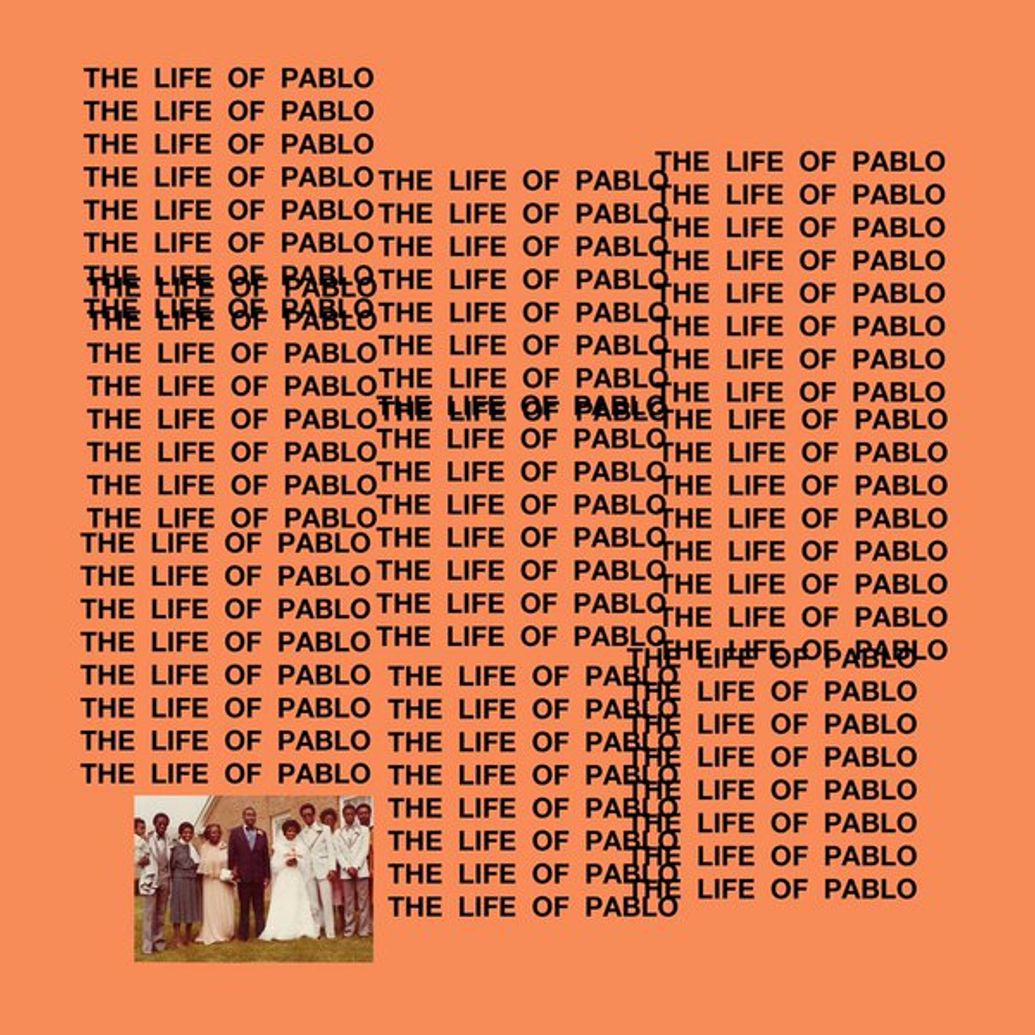 Almost no one escaped 2016 unscathed, but if anyone knows what it truly means to struggle with themselves, it’s Kanye West. To recount everything that happened to the artist this year would be redundant, to say the least. Instead, know that all of it—from a bizarre, eclectic album rollout to West’s very public struggle with mental health—is encompassed in The Life of Pablo, his seventh solo release and arguably his defining artistic statement so far. From an artist known to step up his game with every new release, it is perhaps ironic that Pablo’s defining characteristic is its relaxed and vibrant atmosphere. Originally described as “barbecue music,” The Life of Pablo is perhaps better classified as a celebration of music, offering various takes on faith (“Ultralight Beam,”), fame (“Famous”), and family (“Wolves”). In other words, it encapsulates the personal high(light)s and low(light)s of one of the most controversial artists alive. If you can sift through the rubble, The Life of Pablo’s darkest moments (“FML,” “Real Friends”), will shake you. To skip the brighter moments, though, would be to skip the most uplifting moments in West’s entire catalog. [AM]
7. Thrice – To Be Everywhere Is to Be Nowhere
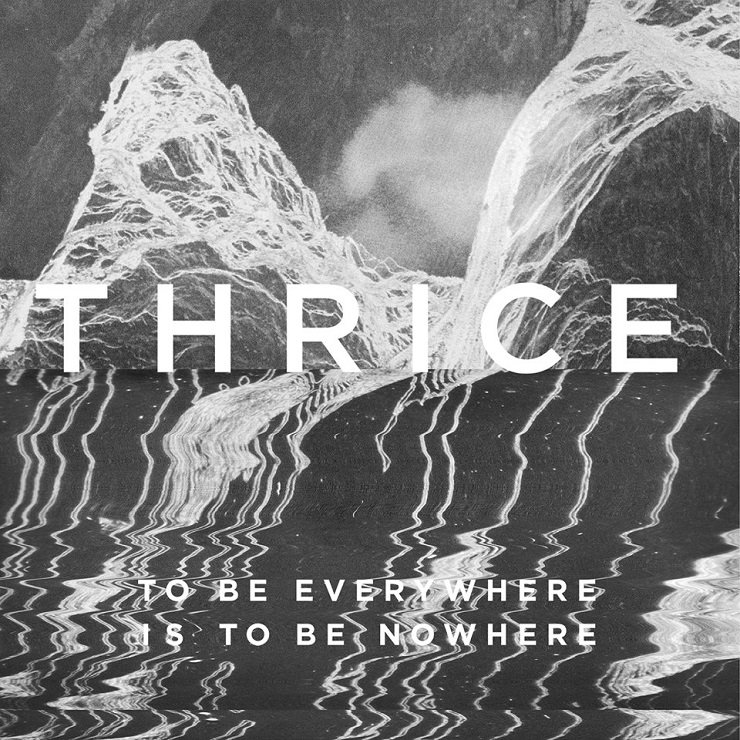 It’s rare for a reunion album to capture the magic of band’s pre-hiatus days. It’s even rarer for that reunion album to be among the band’s best albums ever. But this is Thrice we’re talking about, and they’ve never been a band to let their sound stagnate. To Be Everywhere Is to Be Nowhere keeps up that trend, featuring both some of the band’s heaviest material in nearly a decade and also some of their most experimental. At one end, they foray into ballad territory on the beautiful “Stay with Me.” At the other side of the spectrum, songs like “Death from Above” and “The Long Defeat” remind us that no one writes a straightforward rock song quite like Thrice does. Dustin Kensrue remains one of the best vocalists the genre has ever seen, and he’s in top form all throughout To Be Everywhere. It doesn’t sound like an album by a band that has been away for years, but it is the kind of album that could only have been written by veterans. [ZD]
8. Chance The Rapper – Coloring Book
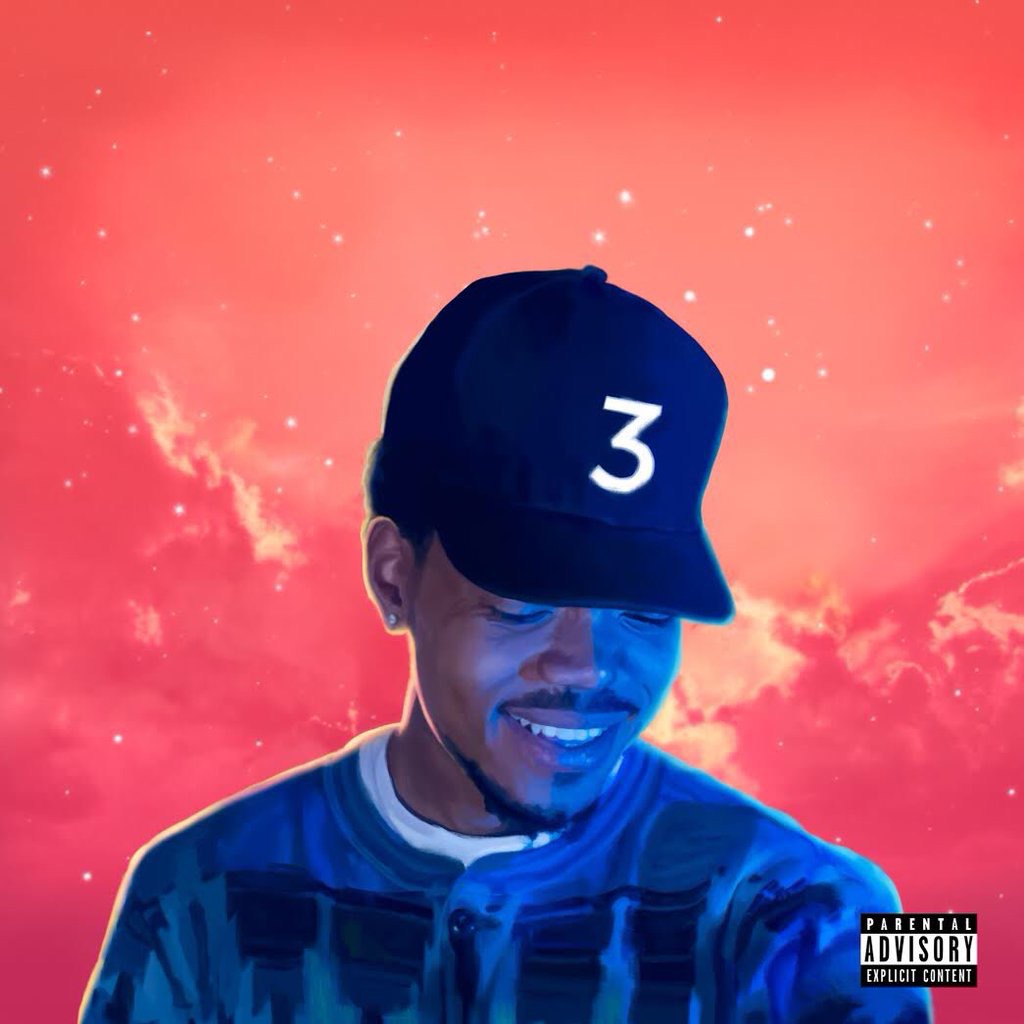 Two hip-hop albums made me question my lack of faith this year, and Coloring Book was one of them. Primed from the growing success of his 2013 mixtape, Acid Rap (as well as showstopping features on tracks by Kanye West), Chance the Rapper spent much of the early summer hinting at the release of “Chance 3.” But when Coloring Book finally dropped on Apple Music, not even Chance’s biggest fans were ready for the gospel-inspired opus that awaited them. Similar in theme to The Life of Pablo (but ultimately more optimistic), Coloring Book bounces from hype tracks (“No Problem”) to gospel numbers (“Blessings”) and heartbreaking personal anecdotes (“Same Drugs”) with the vibrancy and energy of a young artist backed by several high-profile collaborators and features. Ending the year with a number of televised performances, a Christmas mixtape with Jeremih, and even a performance at the White House, it seems that Coloring Book successfully set the stage for Chance’s unique voice of positivity to reach more people than he ever anticipated. [AM]
9. PUP – The Dream Is Over
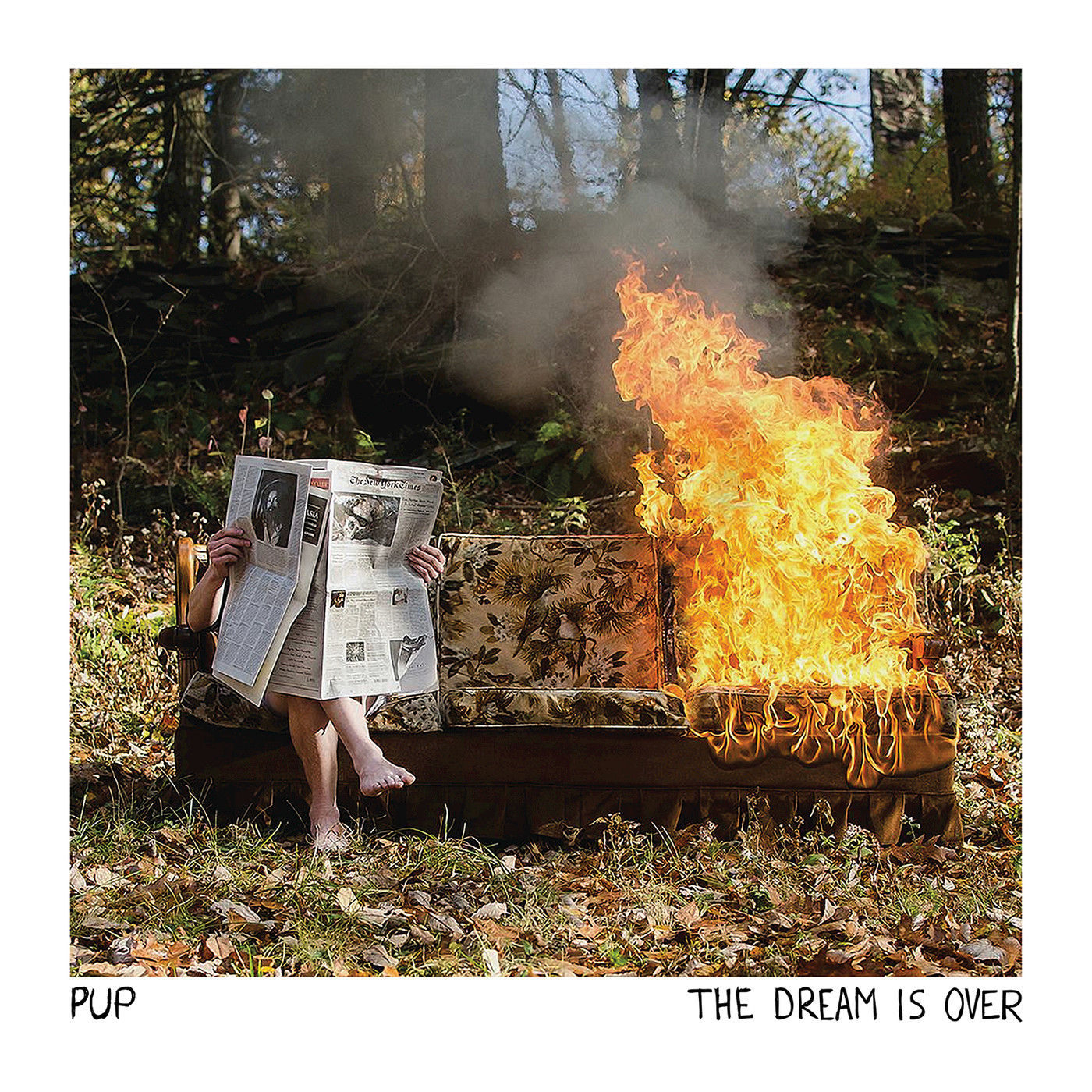 From the relentless tsunami of the opening one-two punch (“If This Tour Doesn’t Kill You” and “DVP”) to the breathy gang vocal ambiguity at the end of “Pine Point,” The Dream Is Over is the story of a scrappy underdog that just wouldn’t quit. Think of PUP as the musical equivalent of Rocky, except with maple leaf shorts instead of the The Stars and Stripes. By now, you almost certainly know the story: lead singer Stefan Babcock was told the album’s title by a throat doctor after discovering he had shredded his vocal cords. Instead of taking it as a sign of the divine, Babcock doubled down, releasing an album twice as throat-shredding in defiance. The result is by far the best punk album of the year. That’s not to say the album is a sunshine and rainbows though. The Dream is Over lives up to its name, chock full of self-loathing (“No matter what I do, I can never get anything”) and vengeful anger (“Maybe he deserves less trouble than you gave him/Or maybe he deserves his face in the pavement”). The hooks draw you in though, so even if you’ve held down a pretty steady job for a few years, you’ll be shouting along in commiserating when Babcock howls, “They used to say ‘don’t quit your day job.’ Well, guess what? I never had one!” [CI]
10. Radiohead – A Moon Shaped Pool
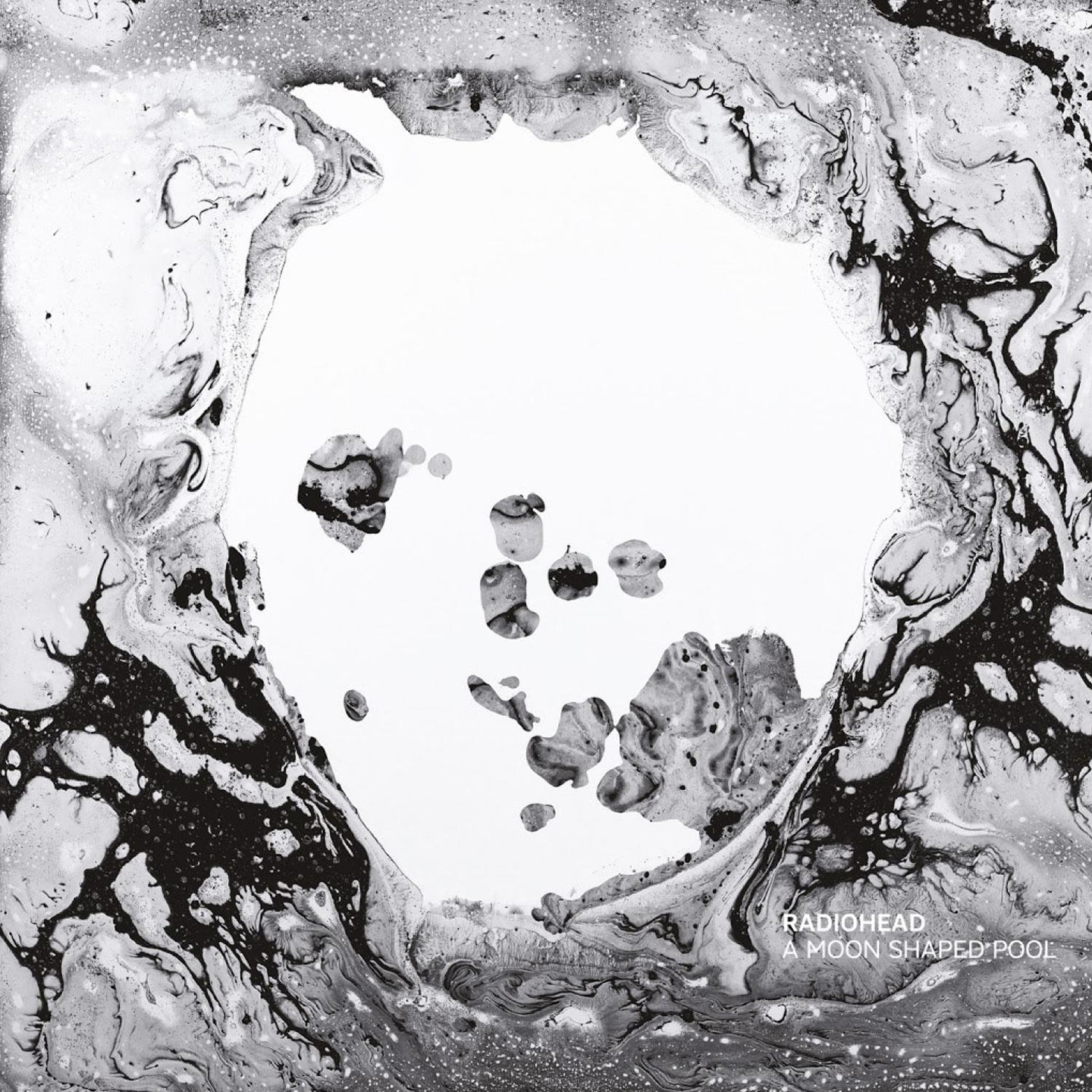 In many ways, A Moon Shaped Pool is a coalescence of all of its predecessors: Radiohead’s final attempt to make sense of a world that refuses to do so. It is the musical equivalent of someone throwing their head back, covering their face and taking a long, deep breath. Whether it’s the dark, brooding notes of Jonny Greenwood’s guitar strings on “Burn the Witch” or the subtle strokes of the piano on the mini-masterpiece “Daydreaming,” it becomes immediately clear that Radiohead is taking us on a journey through the heart and soul of the band. At the time of the album’s recording, Thom Yorke and longtime partner Rachel Owen had just broken up, breathing life into songs like “Glass Eyes.” “I feel this love turn cold,” Yorke repeats in the refrain as he describes walking down a mountain path in a haze of delirium despite not knowing where it will take him.
Radiohead is a band that even with a signature sound, never stops evolving over time. A Moon Shaped Pool is yet another profound shift, this time in a direction that shows intense vulnerability. It is a representation that we are all susceptible to the powers of love. The record’s finale, “True Love Waits,” was written nearly 20 years ago and is a haunting reminder of this power. It serves as a stirring epitaph for Yorke’s relationship and a reminder that true love never walks out the door. If this is Radiohead’s final album, what a poignant exit it will have been. [JL]
11. Bon Iver – 22, A Million
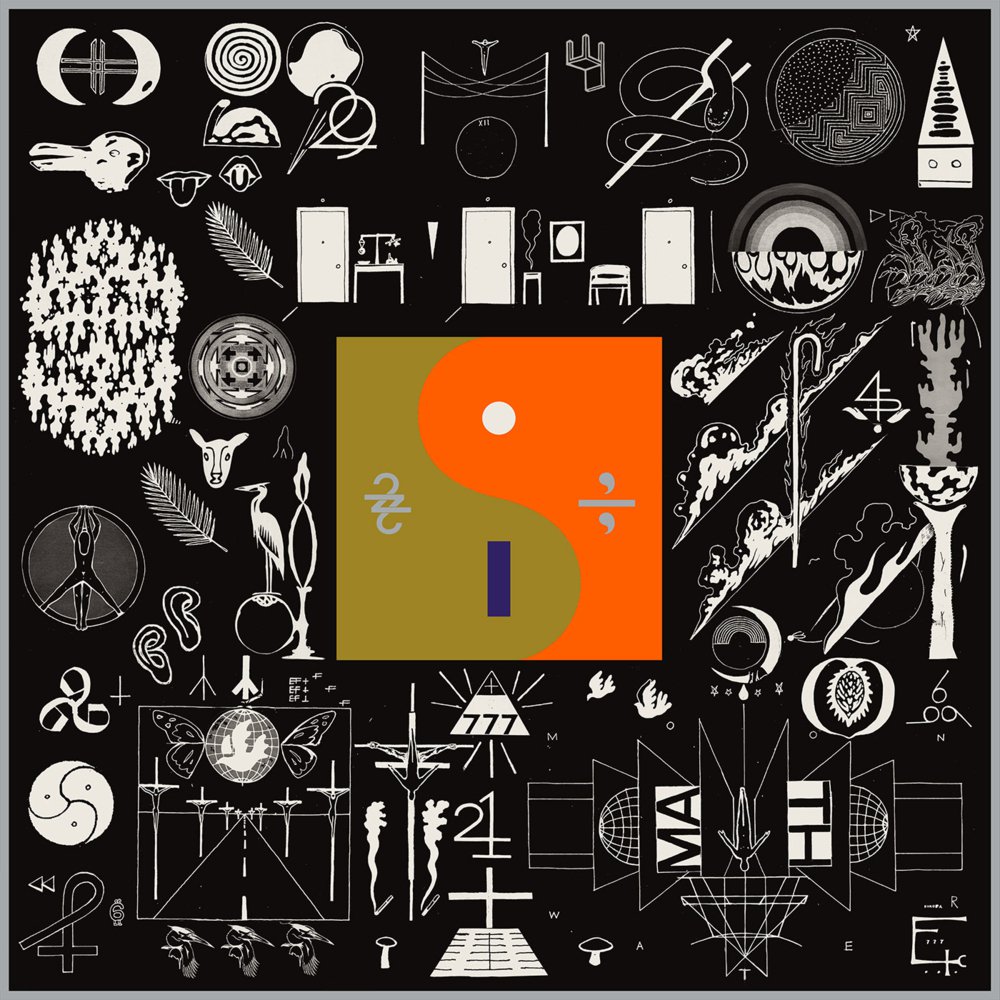 For all of the mystery surrounding Justin Vernon and his third album under the Bon Iver moniker—his retreat from the public eye, the abstract song titles, the silver symbols covering its artwork—22, A Million is hardly the Kid A-style reinvention some first claimed it to be. But it is, perhaps, Vernon’s most interesting album, combining a deserved self-seriousness with Vernon’s penchant for quality and truly unique sounds. I mean, the man worked to invent new software specifically for the creation of this album. It’s no surprise that the booming drums of “10 d E AT h b R E a s T,” the vocoder a cappella of “715 – CREEKS,” and the electronic sampling found all over the record are unlike anything else in Vernon’s catalog. While some may miss the personal folk of For Emma, Forever Ago or the minimalistic orchestration that defined Bon Iver, Bon Iver, we are fortunate enough to be able to visit those albums anytime we like as we witness the growth of one of the most inventive and inimitable artists in recent memory. [AM]
12. Modern Baseball – Holy Ghost
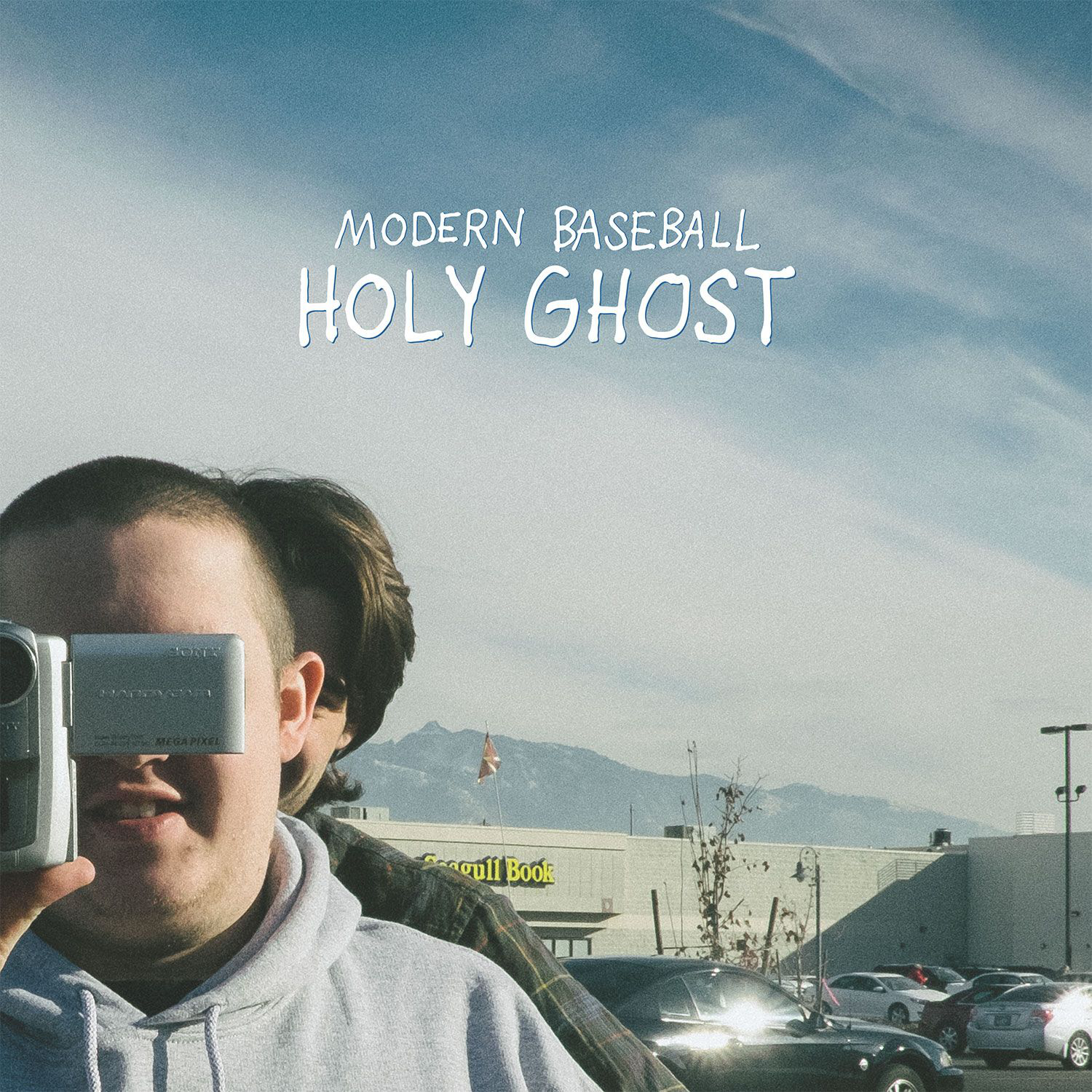 Before 2016, Modern Baseball was mostly just promising. 2012’s Sports and 2014’s You’re Gonna Miss It All were enjoyable albums that featured sometimes-sophomoric, sometimes-there’s-a-little-more-here lyricism complemented by charmingly sloppy, poppy pop-punk. It was fun to listen to, it was fun to watch, and MoBo was garnering more and more support, but there was a smirk to the whole thing. There’s nothing wrong with a smirk, to be sure, but a promising build-up only really winds up paying off when the bigger bombshell is delivered. In 2016, we got Holy Ghost, which signaled an evolution of the Philadelphia quartet into a band capable of keeping a straight face for an entire near-thirty minutes. The band’s primary songwriters, Jacob Ewald and Brendan Lukens, opted to split the album down the middle: Side A for Ewald, Side B for Lukens. And rather than winding up with two EPs crammed into a feature-length release, Modern Baseball turned this into an emotional and well-executed ride through two separate (though both highly relatable) experiences. Ewald’s side, highlighted by “Note to Self” (my third-favorite song of 2016) and “Mass,” is a journal through dealing with a large loss. Lukens’ tracks chronicle a near-death bout with his own mental health, with the closing “Just Another Face” placing a hopeful exclamation point on an album that feels even shorter than its runtime when you blast it all at once. “Just Another Face” shows Lukens’ mindset as he walks away from the experience of writing this album: he can beat this thing, but he can’t do it alone. He’ll do it with a little help. It’ll take time, that’s fact, but there’s nothing wrong with that. The song’s buzzing guitars and avalanche of a chorus make sure that you can’t miss the final point, even if you’re not fully tuned in. It’s reflective of the spirit Holy Ghost ultimately leaves floating in that odd space between your ears. Sad as it may be at points, the album ultimately hammers home a message of hope and positivity. [TN]
13. Beyoncé – Lemonade
When Lemonade was sprung on us early on in 2016, it came after what seemed like months of radio silence (save for “Formation” blessing our crops seemingly out of nowhere some months prior) on Queen Bey’s part. After the massive success of 2013’s surprise release and self-titled record, there was little indication of what was coming next for the music phenom. And then we got Lemonade.
Whether you like her or not, Beyoncé’s proficiency as a vocalist is up for little debate. She’s a consummate performer (I’d like to see anyone else keep slaying a song with their hair caught in a fan) and a constant professional. But what often gets called into question are her credentials as a musician—a conversation that ought to be firmly put to rest after Lemonade.
12 tracks, 12 music videos, one story. Individually, the songs scream of power, pain, and vulnerability. “Don’t Hurt Yourself,” one of the phenomenal collaborations on the record (see: the sultry “Six Inch” with The Weeknd and “Freedom,” a triumphant spiritual with Kendrick Lamar) is a not-so-gentle reminder of the pivotal role black women played in the invention of rock and roll as we know it (shoutout to Sister Rosetta Tharpe). “Hold Up” and “Six Inch” showcase Beyoncé’s breathtaking lower register in a way that female pop artists rarely attempt, while sweet songs like “Sandcastles” and “All Night” are nods to the Bey that we’ve all known and loved over the years. “Sorry,” “Love Drought,” and “Formation” are more in line with her self-titled effort, whereas “Daddy Lessons” is a country-tinged bit of proof that there is no genre this woman can’t perform in.
But the individual tracks aren’t what make this album so worthy of topping any EOTY list for 2016. What Lemonade does that no Beyoncé Knowles record has ever done before is weave a complete, cohesive story. From start to finish, aided by the breathtaking poetry of Warsan Shire, Lemonade is a journey of grief, anger, and ultimately redemption. It is vulnerable in its strength, and relatable in its flaws. Its message—that there is grace even in the ugliest parts of grief—is universal and would be an achievement no matter who was singing it. Because that message comes from a symbol like Beyoncé—because it is being demonstrated so flawlessly by this iconic woman in a world where the experience of black women is seldom afforded the luxury of true, public vulnerability—it is nothing short of revolutionary. [AA]
14. Every Time I Die – Low Teens
When Keith Buckley rushed to his wife’s bedside when the couple’s newborn’s lives were in danger, it very well could have meant the end of Every Time I Die. “When you’re faced with something like that,” Buckley told Fuse, “you make these insane bargains with the universe, like, ‘I’ll give up everything if they just pull through… I’ll never go on tour again.” Instead, both she and the baby pulled through, and Buckley came out of this transformative event with more to say than ever before. The end result is the most starkly honest, unflinchingly raw record Every Time I Die has ever done. Here, no attempt at resolution or salvation is without flaw. Buckley confronts his search for a center through meditation and how those attempts have rung hollow (“Glitches”). He eviscerates mega-churches and religious cults, commenting on how easily those looking for comfort through religion are manipulated (“I Didn’t Want To Join Your Stupid Cult Anyway”). And then he turns his eyes toward his own vice, his struggles with alcoholism and his abuse of it as a social coping mechanism (“It Remembers”). Just before he gets a pick-me-up from Panic! At The Disco’s Brendon Urie, Buckley belts out the album’s centerpiece line: “I can’t stand what I’ve become/I’m shivering to spite the sun/We come together and were overwhelmed by the loneliness.” It’s one of the most pained, stark portrayals of substance abuse I’ve heard, and yet one of the year’s most booming choruses follows immediately after. Therein lies the inherent contradiction of Every Time I Die. [CI]
15. Yellowcard – Yellowcard
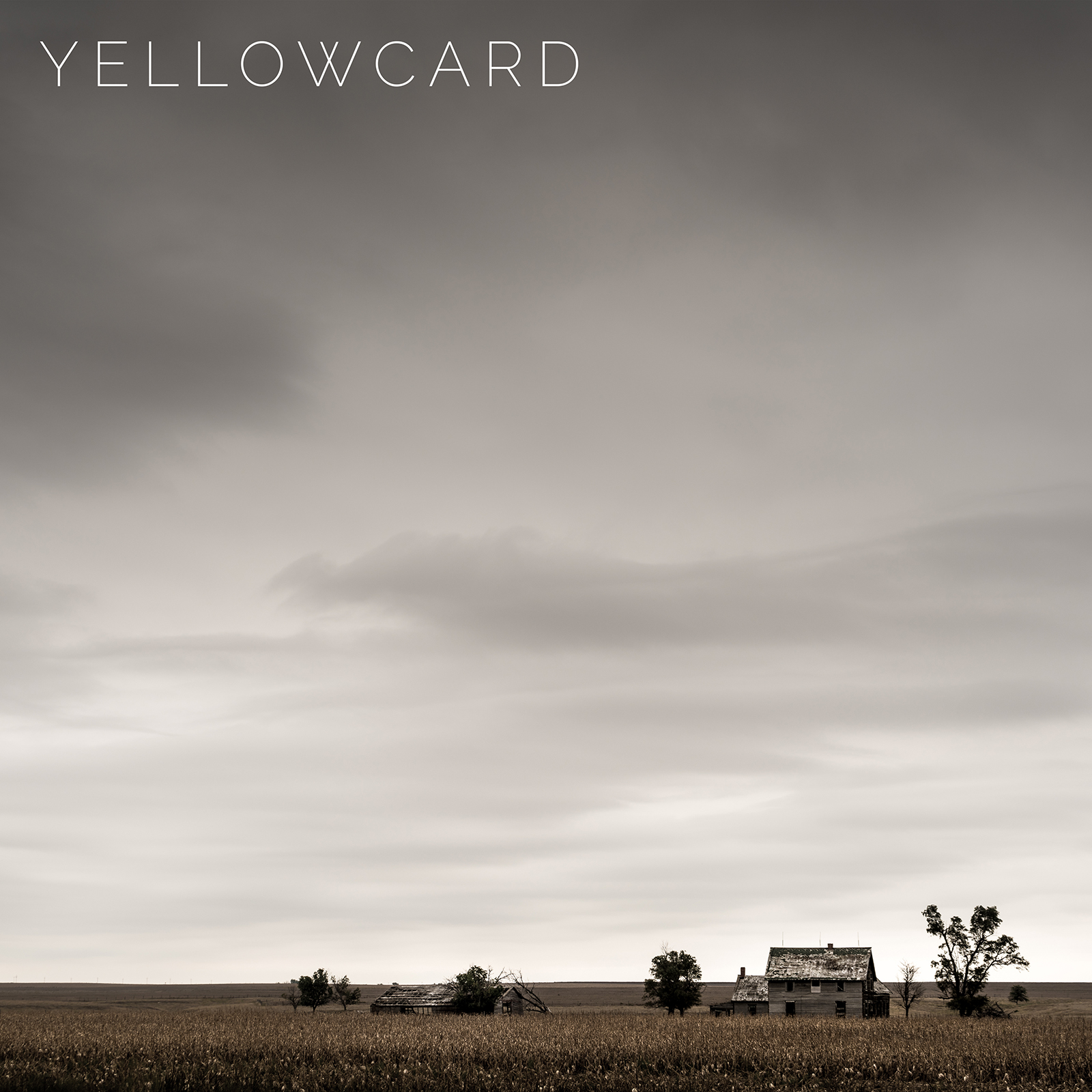 With 2016 came the news that Yellowcard would be calling it quits. Not a hiatus as they took in 2008; a true goodbye. However, before taking their final bow, the group gifted fans with one more album: an eponymous 10th release to close out a career that has been anything but typical. Any who have followed Yellowcard since their 2011 return have seen the band shift toward a more alternative rock sound. Their self-titled album—a far cry from the group’s pop-punk roots—represents the conclusion of that transformation, while somehow also staying true to everything the band has built in the past 20 years. At its core, Yellowcard is a farewell to fans. It’s the stages of grief set to soaring melodies and the warmly familiar swell of Sean Mackin’s violin. And though it remains to be seen if history will note this as Yellowcard’s strongest album, it is sure to be remembered as the one that brought the band and their fans closer together than ever before. [BK]
16. Jeff Rosenstock – Worry
In a recent interview on Uproxx, Jeff Rosenstock was asked how he reconciles being on a label while still insisting his music remains free. Stating that he may never again have the wide reach a label like Side One Dummy affords him, Rosenstock proclaimed that he set out “to make a punk-as-fuck record.” That record turned out to be WORRY., Rosenstock’s eclectic second record for Side One Dummy and certainly the most “punk-as-fuck” record of 2016. There are so many themes and genres being balanced throughout WORRY. that the album’s 17 tracks can seem overwhelming at first glance. However, after one listen through, you’ll realize that that the excess and sprawl are just Rosenstock’s personality and experiences blending into his music. Opening track “We Begged 2 Explode” sums up Rosenstock’s feelings about America in 2016 (with the lyric “This decade’s gonna be fucked”) and the rest of WORRY. features Rosenstock tackling issues like police brutality, our dependence on technology, shitty living conditions, and everything in between. Really there isn’t one stone left unturned, either thematically or musically. The result is a terrific, important, and punk-as-fuck record that will surely be a soundtrack to the next four tumultuous years of our country. [DB]
17. Frank Ocean – Blonde
It had been over four years before we got new music from Frank Ocean. After countless false starts promising a new album titled Boys Don’t Cry, Ocean finally delivered not one, but two albums in the summer of 2016. And once again we get the see the duality of Ocean’s talents and personality, here cast wide across a visual album, Endless, and the 17-track instant classic, Blonde. From the hazy, helium pitched opener “Nikes” to the spacey chaos of “Seigfried,” Ocean pushes his already otherworldly boundaries to an even higher level. The list of collaborators (the Beyoncé-aided “Pink + White” and a Kanye West co-write on “White Ferrari” are both obvious highlights) is insane, but no guest ever outshines Ocean’s voice. Compared to the eclectic vibrancy of Channel Orange, Blonde is more detached and sparse. That’s not to say it lacks for energizing moments within its sophisticated production, but that it creates a more meditative space for Ocean’s powerful voice to flourish. [DB]
18. Butch Walker – Stay Gold
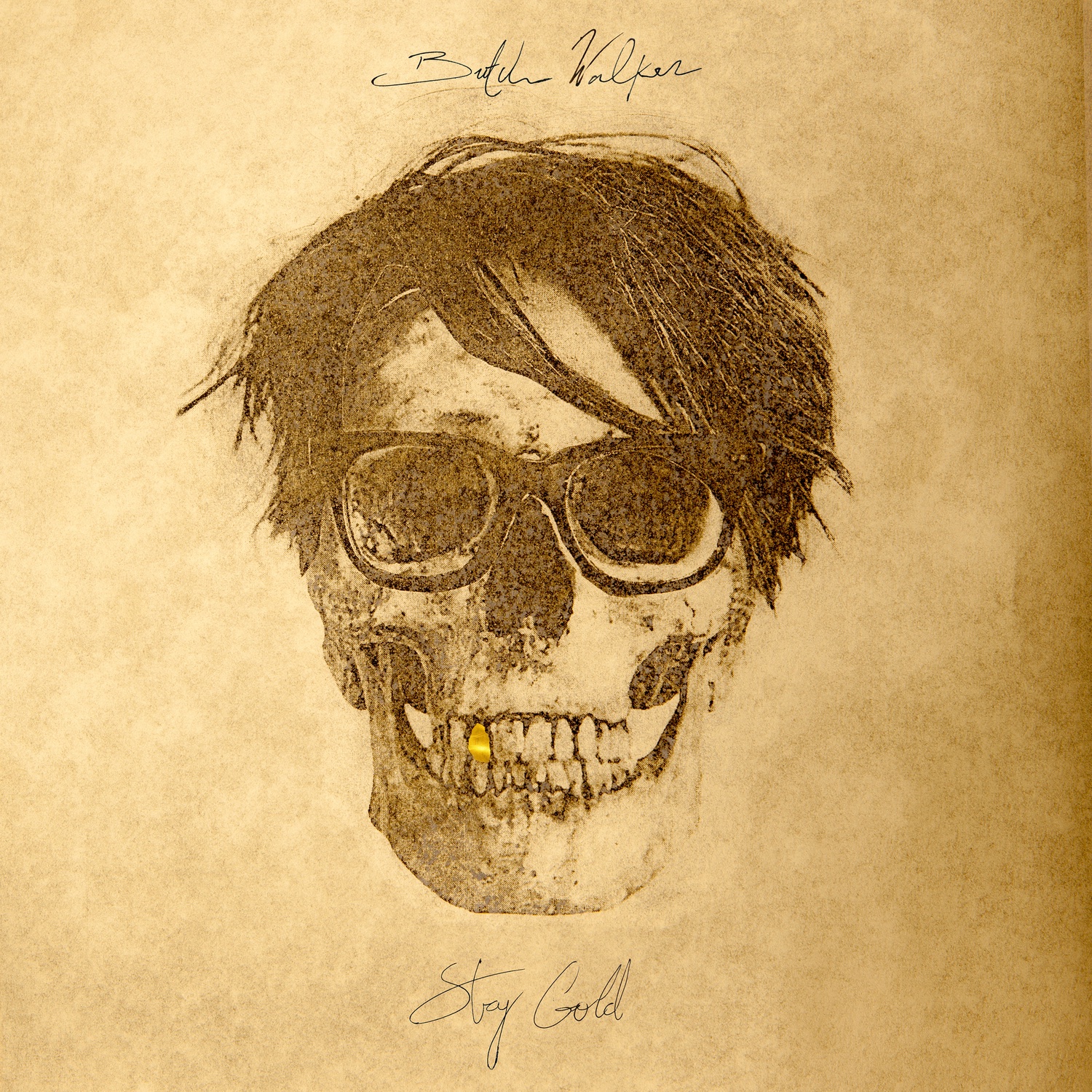 “When my favorite bands still wrote songs I liked/I can’t relate to ’em anymore.” So Butch Walker sings on “Wilder in the Heart,” one of the many great songs on his most openly nostalgic record ever. Stay Gold finds Walker looking back on his past—painting youth, young love, and friendships lost and found with such lively and vibrant brushstrokes that the songs come to life in bursting, brilliant color. It doesn’t hurt that Butch has put together his best set of hooks since 2004’s Letters, turning in songs like “Stay Gold” and the largely spoken-word “East Coast Girl” that sound like anthems from the very first time you hear them. Compared to its predecessor—last year’s Afraid of Ghosts, which saw Walker exorcising some deeply personal demons following the loss of his father—Stay Gold is a gleefully joyful record. Instead of retreading the footsteps of Ghosts and its stripped-down, reverb-heavy mood pieces, Stay Gold is a love letter to 70s and 80s rock ‘n’ roll—from Bruce Springsteen to Elvis Costello to Elton John and beyond. But Butch is still clearly feeling reflective here, thinking about girlfriends who got away (the splendid “Spark: Lost”), returning to old stomping grounds with friends who he lost touch with (“Record Store”), and recalling the awkward excitement of new love (“Can We Just Not Talk About Last Night”). For my money, it’s the best rock album of the year, a glowing example of just how powerful rock ‘n’ roll can be when done right. Unlike those old “favorite bands” Butch brought up in “Wilder in the Heart,” the songs he’s writing are still easy to relate to on multiple levels—just like the great rock records of yesterday. [CM]
19. Balance & Composure – Light We Made
It’s a tough thing to craft songs that push boundaries and experiment with new sounds while simultaneously maintaining enough familiarity so that fans don’t feel lost and confused. Balance and Composure found a perfect middle ground with Light We Made, their third full-length album and their first since 2013. Produced once again by Will Yip, the album sounds polished, layered, and far more mature than their previous two. Vocalist Jon Simmons experiments with different vocal tones, from looped muttering to soaring falsettos, and it all works. Played live, these songs are even more intense, seamlessly fitting right alongside old favorites. By incorporating synthesized percussion, vocal loops, and a generally Hip-Hop vibe alongside their usual three-guitar attack, Balance managed to create a genuinely unique Alt-Rock record in a year where many of their contemporaries seemed to stagnate. Light We Made is a triumphant step forward for a band with seemingly endless creative potential. [AJ]
20. Ariana Grande – Dangerous Woman
If you hadn’t been taking Ariana Grande seriously, now’s the time. Dangerous Woman can arguably be considered Grande’s breakout album, as there’s no question after this that she deserves to be considered among the top tier of pop stars. As she asks on “Bad Decisions,” “Ain’t you ever seen a princess be a bad bitch?” This line, more than any, other sums up Grande’s attitude going into this album. She’s ditched her Nickelodeon roots and fully come into her own, pulling off pop, R&B, and even reggae with ease. She cements this theme on “I Don’t Care” as she sings, “I used to let some people tell me how to live and what to be/But if I can’t be me, then what’s the point?” And we should all be thankful for Ariana being Ariana, because Dangerous Woman is easily one of 2016’s best pop albums. [SS]
21. David Bowie – Blackstar
According to general consensus, 2016 was a year that was harsh, difficult, confusing, bleak, and that required real effort to get through. January 8th marked the worldwide release of David Bowie’s album Blackstar, coinciding with his 69th birthday. 48 hours later, 2016 delivered the first of its many punches to the gut, as it was announced that Bowie had passed away following a fight with liver cancer. At the time, I attempted to articulate my thoughts into some sort of “tribute,” a thank you to a man who has provided me with endless amounts of company via his illustrious and prolific outpouring of art. That effort mostly resulted in a gushing of clumsy, stream-of-consciousness attempts to come to terms with the loss. So, almost a year after the release and the anniversary of Bowie’s death, how does Blackstar feel now? Like the best parting gift humanity could be provided with to cope with what was to come in 2016.
Whilst always an innovator and influencer, Bowie had arguably not been this experimental since 1977’s Low. Enlisting the help of a jazz outfit featuring legendary saxophonist Donny McCaslin, long-time collaborator Tony Visconti, and LCD Soundsystem mastermind James Murphy—and looking to the likes of Death Grips and Kendrick Lamar as influencers—it’s little wonder that Bowie met and exceeded all expectations with Blackstar. This swan-song of an album crams in a plethora of themes, messages, nods, and connections over just seven tracks and 41 minutes. The cryptic songs are filled with everything from Polari (the cant slang which dominated gay communities in 1970s London), to A Clockwork Orange’s Nadstat language, to John Ford’s literary interpretations. Most notably, the songs see Bowie acknowledging both his personal condition and his own mortality. AS a result, there is an unrelenting and unavoidable captivation that courses through Blackstar. It seeps and overflows with a hypnotizing charm, serving up lyrics that are devastating in their prophetic nature. (“Look up here, I’m in heaven,” in “Lazarus” or “I Know something is very wrong/The pulse returns the prodigal sons” in “I Can’t Give Everything Away”).
But again, while this is Bowie’s eulogy, and while its existence swirls in a notable air of sadness, Blackstar is ultimately a beautiful, eloquent, and powerful record that stares struggle in the eyes right up until the last breath. [KH]
22. Blink-182 – California
From the moment we learned that “Tom. Is. Out.” the future of blink-182 was met with equal parts trepidation and excitement. Fears were assuaged when we learned that acclaimed Alkaline Trio frontman Matt Skiba would be Tom’s replacement, but it remained unclear what a “blink with Skiba” album would sound like. Ultimately, California feels like the type of music blink-182 “should” be making in 2016. John Feldmann’s glossy brand of pop punk production shines through over the course of the album’s 42 minutes, and all of the band’s boxes are checked. “Cynical,” the opening track, would not be out of place on Dude Ranch, while “Los Angeles” is as moody as anything on Untitled. There’s even a couple of the band’s trademark joke tracks, like the already-infamous “Built This Pool.” In the end, California earned blink their second number one debut on the Billboard 200, while lead single “Bored to Death” topped the Alternative chart. Most importantly, though, the band seems to be having the most fun they’ve had since their reunion. Where they go from here is anyone’s guess, but as Mark proudly declared on the Grammy stage eight years ago, blink-182 is back. [SS]
23. All Get Out – Nobody Likes a Quitter
Good things come to those who wait. For those anticipating All Get Out’s follow-up to 2011’s The Season got even more than expected from the band’s long-awaited new album, Nobody Likes A Quitter. The record’s ten tracks balance the loud moments perfectly with some of the quieter ones, giving u instant classics like “Room To Talk,” “Whatever,” and “ATX.” The songwriting is crafted meticulously and shows that the band didn’t need to shake off any rust between releases—even despite the lengthy wait. [DB]
24. Danny Brown – Atrocity Exhibition
It’s probably fair to say that there’s never been a hip hop album like Atrocity Exhibition before, but it feels reductive. Truth is, there’s probably never been an album like Atrocity Exhibition before. Danny Brown is a unique voice – both metaphorically and literally – and it’s on this album that he establishes himself as not only one of the most creative rappers out there, but also one of the best. He blends post-punk, EDM, and industrial sounds into his brand of weirdo hip-hop, and songs like “Ain’t It Funny” and “Dance in the Water” are barely hip-hop at all. While Brown’s never put out a less-than-stellar album, Atrocity Exhibition is the first one to really capture his personality this accurately. Interestingly, though, one of the album’s best moments is when he appropriates a line from Joy Division’s song “Atrocity Exhibition.” In classic Danny Brown style, he raps, “this is the way, n***a, step inside!” At the same time he gets to pay homage to some of his idols and also make a proclamation. He’s changing the game. Get on his level or get out of his way. [ZD]
25. The Weeknd – Starboy
2016 was a big year for Canadian R&B phenomenon The Weeknd. Collaborations with heavyweights Beyoncé and Kanye West on their respective albums set the tone early on, while the release of Starboy, an 18 track offering and his third studio album, just took things to the next level. From the onset of the track’s title track, the album includes some of Abel Tesfaye’s most compelling collaborations to date (notably, back-to-back jams “Sidewalks” feat. Kendrick Lamar and “Six Feet Under” feat. Future), as well as club ready bops like “Secrets,” “Love to Lay,” and the chart-topping “Starboy.”
However, what Starboy does best is showcase with total clarity where The Weeknd’s strongest talents lay, which is in the subtle moments. While not likely to take over the nightclubs any time soon, slow burners like “Party Monster” and “Reminder” are undeniable earworms, and offer a compelling contrast to the softer moments found on the second half of the record. Songs like “Nothing Without You” and “All I Know,” meanwhile, are a refreshing step toward themes of sparse vulnerability, both lyrically and sonically. Overall Starboy, while far from a perfect record, pulls in just enough of The Weeknd’s proven ability to create chart-toppers and interjects just enough emotional authenticity to place it firmly in the “hit” column of what was already a truly spectacular year for music. [AA]
26. Sturgill Simpson – A Sailor’s Guide to Earth
2016 was, justifiably, a somewhat political year for music. But while rappers, protest rockers, and even pop stars all had words to say about the state of our country, my favorite political “statement” of a record was Sturgill Simpson’s A Sailor’s Guide to Earth. The politics of this album are certainly not as pronounced as the ones on something like Green Day’s Revolution Radio or Drive-By Truckers’ American Band. There are no mentions of hateful leaders, racism, or class struggles. There aren’t even nostalgic looks back to when things were better. Instead, A Sailor’s Guide to Earth addresses one of the most terrifying and life-affirming things you can do in the dark and twisted age that we live in: bring a child into the world. Simpson, often considered a “savior of country music,” wrote this record (his third) shortly after the birth of his son (his first). His songs dissect the fear that a parent feels as they wish for their child to have it better than they did, all while still knowing that everyone will face down their own dark days. Specifically, Sturgill looks back to his own days as a Navy serviceman as a lens to examine the horrors of war, the politics and profit behind our modern conflicts, and the importance of holding family close as the world spins out of control. Presented as a seamless song cycle, with nary a break between tracks, Sailor’s Guide is best taken as a whole—though the blistering “Call to Arms” stands out as an obvious highlight. Following the album’s improbable Grammy nomination for Album of the Year, it feels like the best is yet to come for Sturgill. I can’t wait to see what that future might look like. [CM]
27. Microwave – Much Love
With Much Love, Microwave was able to build upon the success of 2014’s Stovall in a graceful way. The highs are higher, with songs like “Dull,” which builds to huge, thrilling guitar solo. The emotional lows are lower, too, especially on songs like “Roaches” and “Lighterless,” where vocalist Nathan Hardy’s lyrics are buried in the mix, the same way his emotions seem to bury him. Much Love is essentially the antithesis to the sophomore slump. The aggressive moments that were littered throughout Stovall are fine-tuned and used sparingly on Much Love, and the quieter, more introspective moments, especially in songs like “Wrong,” force the listener to reflect on his or her own life struggles. Every listen to this record seems to reveal more layers of instrumentation, and the more you read into the lyrics, the more you can find to relate to. [AJ]
28. Kevin Devine – Instigator
“This is a song for Standing Rock, this is a song for Planned Parenthood, and it goes straight out to our President-Elect,” Kevin Devine called out before he (and the Goddamn Band) ripped through Instigator highlight “Both Ways” in a small bar in Pittsburgh in early December. Devine has never shied away from being political, but in his most well-crafted album to date, he does his best to combine the political (“Freddie Gray Blues”) with the personal (“I Was Alive Back Then”). The result is an album that sounds complete and brims with observation and insight. “I wanna be your instigator/Molotov in your clenched left hand/I wanna be your instigator/your dynamite, your Weatherman,” he croons on the album’s title track, a self-described “love song, pop song, and political number all in one.” If 2013’s Bubblegum and Bulldozer reinvigorated the 36-year old Brooklyn native, Instigator expertly melds the two into 36 minutes of concise and expertly-written power-pop. [AM]
29. Daughter – Not To Disappear
A wintry hush falls over the twilight, the dense snow falling in swift circles, your breath catching in your lungs as you draw what you can of the icy, thin air. It’s this kind of scene for which Daughter’s Not To Disappear provides the unwavering soundtrack. These freezing Northeast winter nights give way to introspection, and introspection gives way to dark thoughts. Daughter’s Elena Tonra excises these dark thoughts viscerally throughout Not To Disappear, taking on the staggering and life-changing impact of having a close relative diagnosed with dementia (“Doing The Right Thing”), just as bravely as she tears into an ex-lover (“No Care”). But the unifying factor on Not To Disappear is Tonra’s battle against her own deeply entrenched self-loathing. “Talking to myself is boring conversation/Me and I are not friends/She is only an acquaintance,” she croons on “Alone / With You,” and this conflict is at the root of the album’s brooding. This desire to come to an understanding of one’s self, to be able to give oneself fully to another person, to be able to love and feel capable of receiving love in return, is the root of Tonra’s struggles. And as the album comes to its conclusion on “Made Of Stone,” with a hushed whisper of a verse, Tonra realizes that her self-loathing and regret are part of the universal human experience: “I think we are all built out of memories, built out of seams,” she sings, before concluding with perhaps the most optimistic line in Daughter’s discography to date: “You’ll find love, kid, it exists.” [CI]
30. Lori McKenna – The Bird and the Rifle
For more than 15 years, Lori McKenna released an entire discography of critically praised records without fame ever truly finding her. That all changed in 2015 when her song “Girl Crush” (recorded by the band Little Big Town) won a Grammy Award for Best Country Song and a CMA Award for Song of the Year. With these credentials in her back pocket, it should be no surprise that her latest album, The Bird & The Rifle is her strongest release to date. Much of the attention for this record is drawn to “Humble & Kind,” the multi-award winning track made popular by Tim McGraw. Written as a prayer to her five children, “Humble & Kind” is a fine place to introduce the casual listener to McKenna, but is far from the strongest cut on this album. That nod goes to “Halfway Home,” a song that lingers long after the final second. Equal attention should also be given to “If Whiskey Were Women” and “We Were Cool.” The former has a sass that calls to mind Stevie Nicks, while the latter chases down a Tom Petty vibe. From start to finish, this Dave Cobb-produced album is a master class in grade A songwriting. If it doesn’t move you, then surely you are made of stone. [GR]
Contributor Key
- [CM]: Craig Manning
- [JT]: Jason Tate
- [CI]: Craig Ismaili
- [DB]: Drew Beringer
- [ZD]: Zac Djamoos
- [AM]: Aaron Mook
- [JL]: John Lopiano
- [TN]: Thomas Nassiff
- [AA]: Anna Acosta
- [BK]: Becky Kovach
- [AJ]: Aj LaGambina
- [KH]: Kyle Huntington
- [GR]: Gregory Robson
- [SS]: Scott Surette