Bruce Springsteen Documentary Coming to Disney+

Bruce Springsteen

Variety:

“Road Diary: Bruce Springsteen and The E Street Band” will follow the band’s 2023-2024 world tour, featuring footage from band rehearsals and backstage moments, conversations with Springsteen as he develops the setlist and archival clips of the E Street Band. The project is intended to complement Springsteen’s existing body of autobiographical works, which includes the memoir “Born to Run,” the live performance (and documentary) “Springsteen on Broadway,” and the films “Western Stars” and “Letter to You.”

The documentary is directed by Thom Zimny, the longtime Springsteen collaborator behind “Western Stars” and “Springsteen on Broadway,” as well as music docs “The Gift: The Journey of Johnny Cash” and “Willie Nelson & Family.” Zimny also produces alongside Springsteen, Springsteen’s manager Jon Landau, Adrienne Gerard and Sean Stuart.

Review: Cold Years – A Different Life

The third studio album from the Aberdeen punk band, Cold Years, called A Different Life takes a hard look at life around the band, while still maintaining a worldly view of growing up in this era. Much like their breakthrough sophomore LP, Goodbye To Misery, this album features a great blend of a sound similar to Green Day, The Gaslight Anthem, and Social Distortion. As lead singer Ross Gordon shouts along with his bandmates on “Roll With It,” “I’m dead, ’cause I want a different life!,” it’s hard to not rally around his words of wanting change. Recorded at The Barber Shop Studios in New Jersey by producer Brett Romnes (Hot Mulligan, Boston Manor, The Movielife), the mindset of capitalizing on the best/most emphatic sections of their last record, mixed with a steady eye towards the future, leads to Cold Years continuing their momentum here on A Different Life.

Read More “Cold Years – A Different Life”

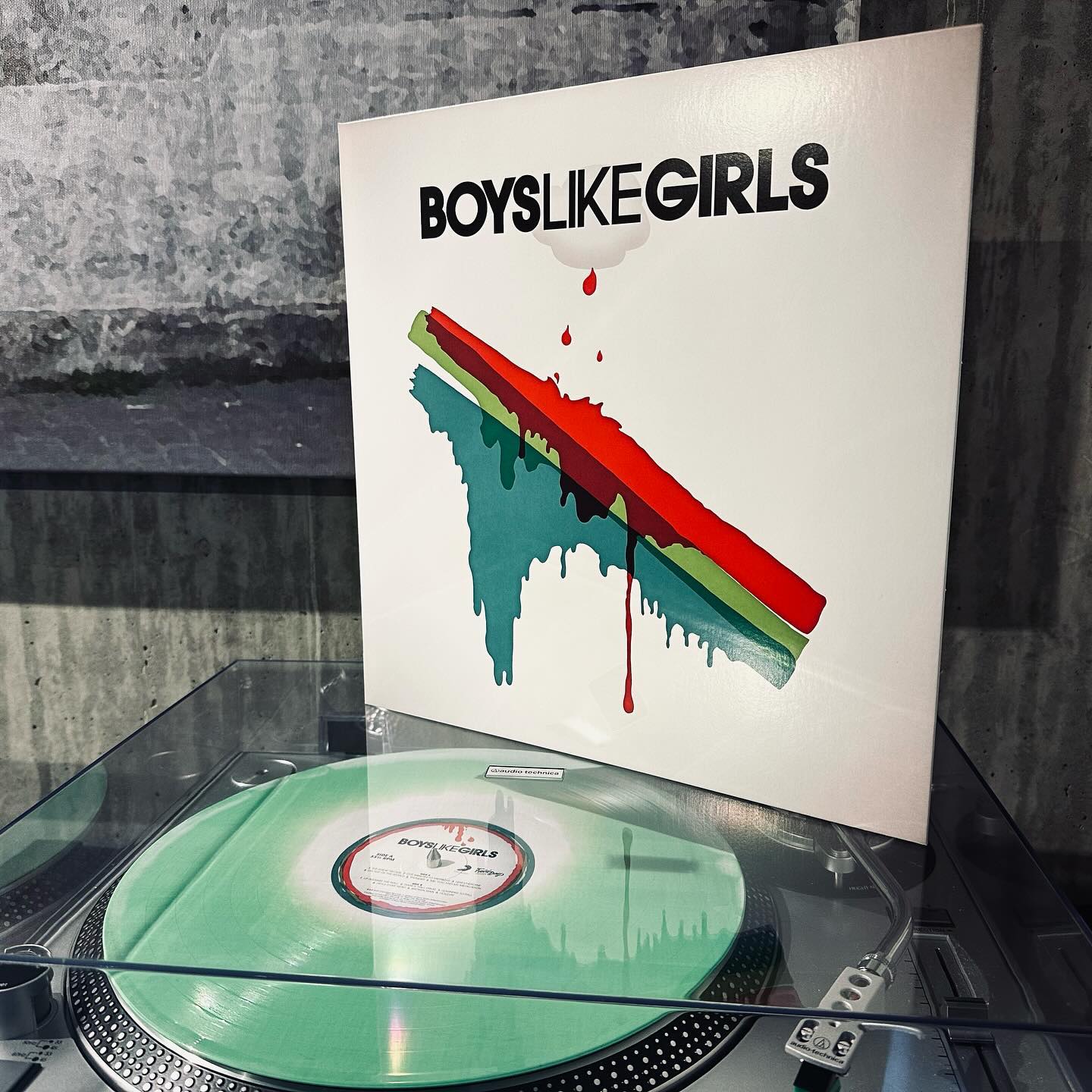
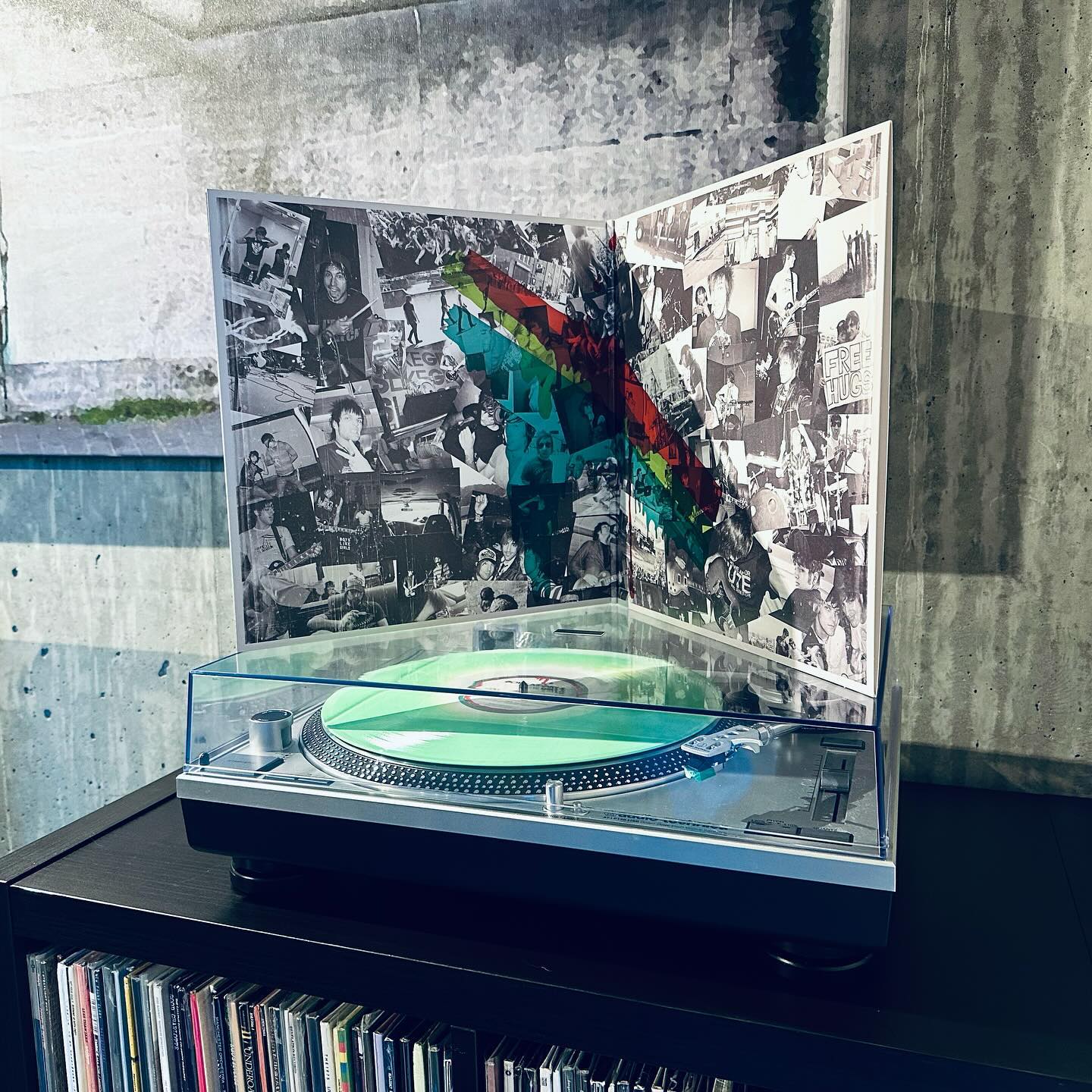
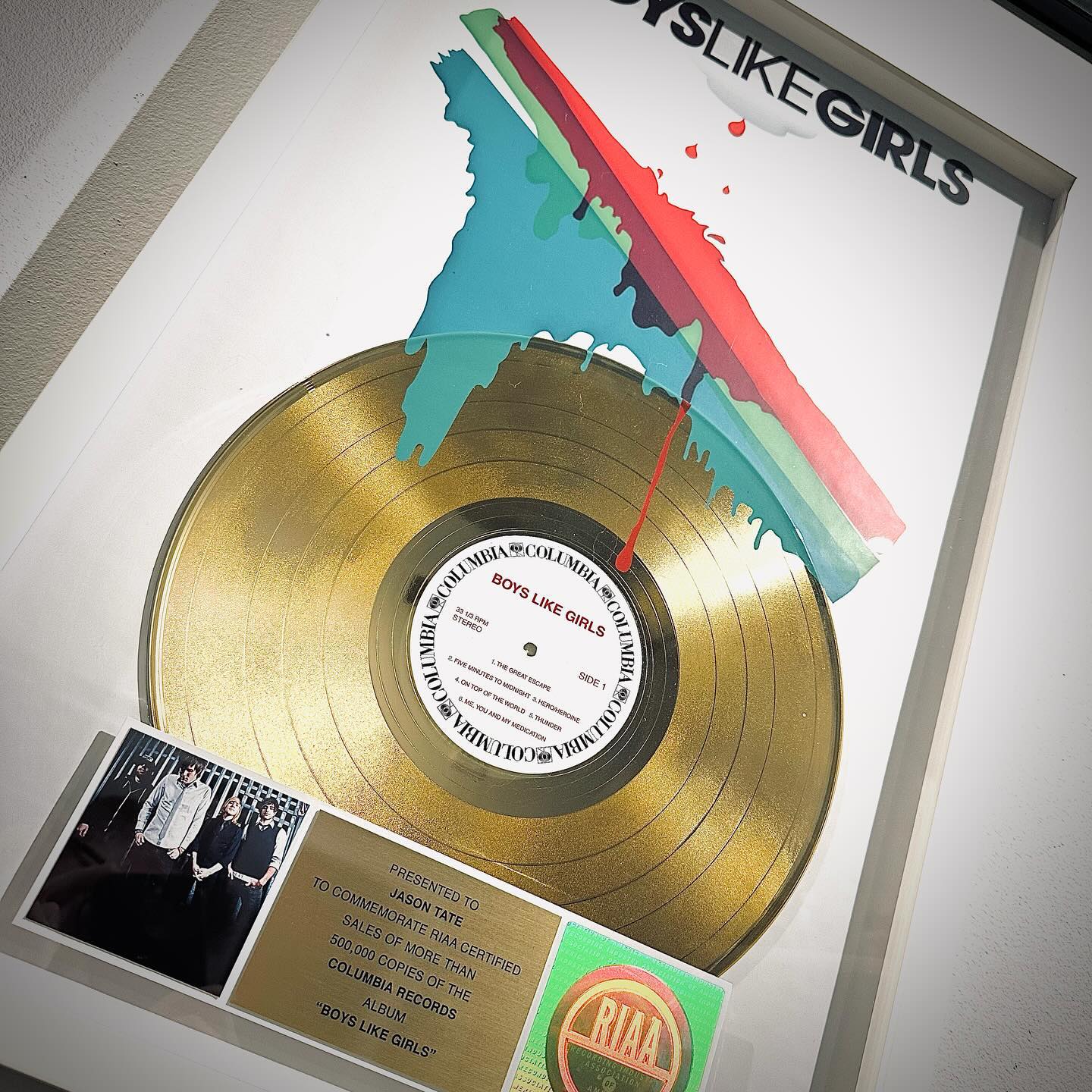
I shared an article on the website today that talks about why music tastes solidify in our youth and we return to the music of our teens through thirties for basically the rest of our lives. I (obviously) still seek out new music on a weekly basis and love nothing more than discovering a new favorite band, but there is something so comforting about returning to an old musical friend. One of my pet theories is those summer albums you spent your late teens blasting in the car right after getting your license find an even deeper way into your heart. Summer break, that first taste of (relative) freedom, and nothing to do but drive around trying to blow out your speakers. Boys Like Girls’ debut is one of those albums for me. It’s always screamed of summer and ushering in sunny days and warm evenings. Not surprisingly, Martin’s songwriting has continued to stick with me all these years later. (Do not sleep on those Night Game albums.)

Anyway, here’s to growing up and still spinning our youthful faves. And here’s to summer 2024.

#vinyl

When Do We Stop Finding New Music? A Statistical Analysis

Daniel Parris:

Ultimately, cultural preferences are subject to generational relativism, heavily rooted in the media of our adolescence. It’s strange how much your 13-year-old self defines your lifelong artistic tastes. At this age, we’re unable to drive, vote, drink alcohol, or pay taxes, yet we’re old enough to cultivate enduring musical preferences. 

The pervasive nature of music paralysis across generations suggests that the phenomenon’s roots go beyond technology, likely stemming from developmental factors. So what changes as we age, and when does open-eardness decline?

Survey research from European streaming service Deezer indicates that music discovery peaks at 24, with survey respondents reporting increased variety in their music rotation during this time. However, after this age, our ability to keep up with music trends typically declines, with respondents reporting significantly lower levels of discovery in their early thirties. Ultimately, the Deezer study pinpoints 31 as the age when musical tastes start to stagnate.