Uber’s New Icon and Logo

Armin Vit, writing for Brand New (not the band, sorry), looks at the new Uber logo and app icon:

The new one fixes the usability of the logo by going bolder and tighter. On that aspect alone, the logo evolution is a success. Beyond that, there is nothing else nice to say about it but also nothing negative. Okay, well, maybe a couple of things: the inner curves on the bottom halves of the “B”, “E”, and “R” are very awkward and the elliptical (because they are far from rounded) corners are also strange and give the sensation that the letters have been stretched. Overall though, it’s fine. It could be a lot worse, it could be a lot better.

I mostly agree — the wordmark is better, the app icon is shit.

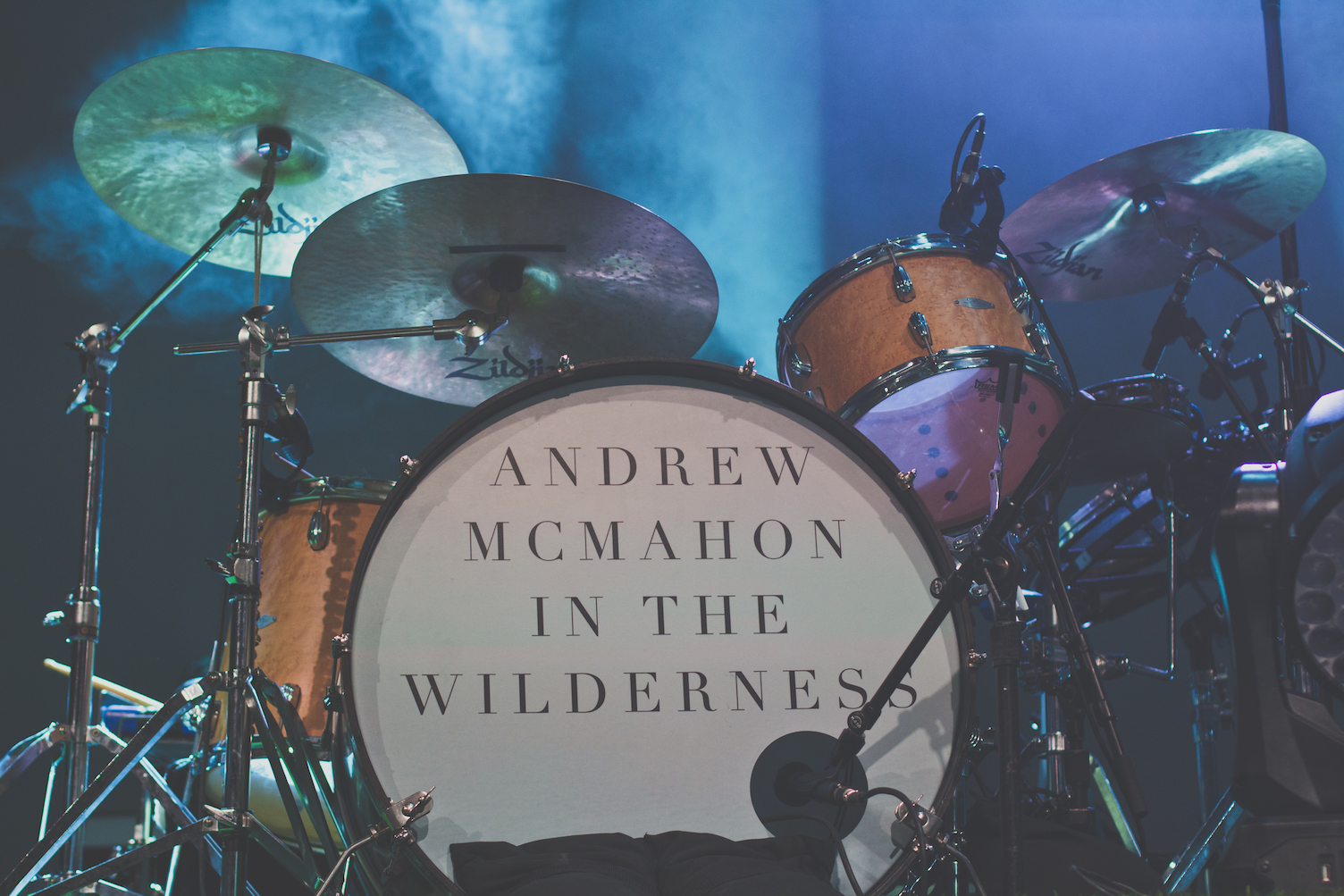
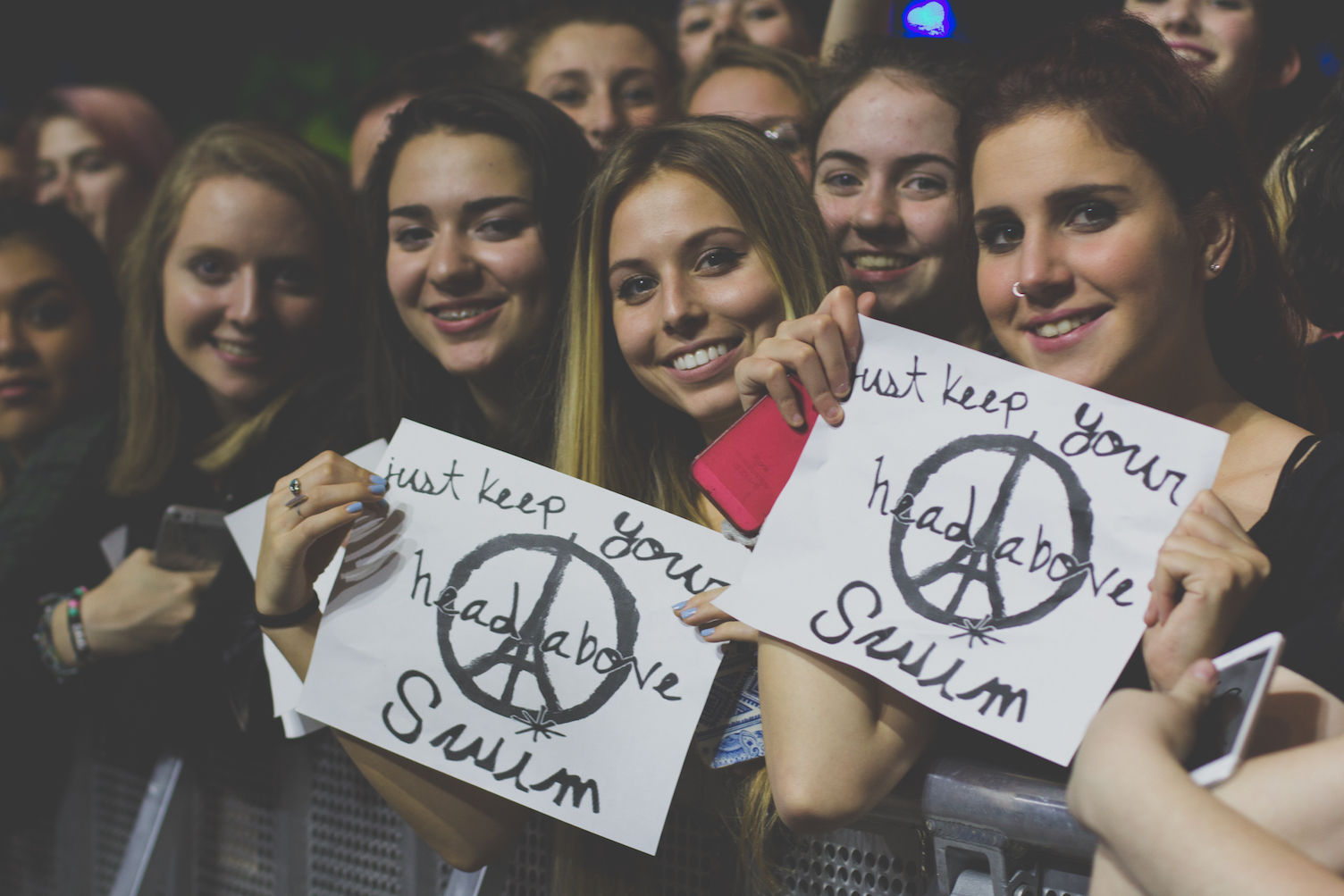
Andrew McMahon ended his seven-week “Wilderness Politics Tour” at the Fillmore in Philadelphia on Saturday, November 28, 2015 to a sold-out crowd. We’ve got a fantastic gallery of photos from the show from photographer Staci Altomari. You can view those below.

RIAA Adds Streams Into Certifications

The RIAA has announced that they will be counting streams as part of certifying albums and singles Gold or Platinum:

After a comprehensive analysis of a variety of factors – including streaming and download consumption patterns and historical impact on the program – and also consultation with a myriad of industry colleagues, the RIAA set the new Album Award formula of 1,500 on-demand audio and/or video song streams = 10 track sales = 1 album sale. Also effective today, RIAA’s Digital Single Award ratio will be updated from 100 on-demand streams = 1 download to 150 on-demand streams = 1 download to reflect streaming’s enormous growth in the two plus years since that ratio was set.

I think this move was inevitable. There’s a good chance that in our lifetime album “sales” will be rendered irrelevant. The full press release can be found below.

Read More “RIAA Adds Streams Into Certifications”

Is SoundCloud Worth More Than Spotify?

Soundcloud

Alex Moazed, writing for TechCrunch, on why SoundCloud may be more valuable than Spotify in the long run:

SoundCloud has a platform business model where its content is created by its network of users, not acquired through licensing deals. For SoundCloud, the more audio producers that join the network, the more listeners will want to join. This increase in users, in turn, incentivizes more creatives to post their music or podcasts on SoundCloud, and the network effects continue to build from there.

In contrast, Spotify is primarily a reseller of music inventory owned by record labels and publishers. It’s simply a distributor for the latest releases, sort of like a Walmart for music streaming. Most of the songs on Spotify you could find on Apple Music, Pandora or another streaming service. As a result, Spotify lacks the network effects that SoundCloud enjoys.

But what if Spotify, or Apple Music (or Facebook, or YouTube), adds in the features that SoundCloud currently provides? Does SoundCloud have a monetization strategy that can scale or do they risk being a just a feature in someone else’s business?

20 Years of ‘Infinite Jest’

The Harry Ransom Center has shared some of its archive online to mark the 20 year anniversary of David Foster Wallace’s Infinite Jest:

Wallace began seriously writing Infinite Jest in 1991. The publication of the book took years of hard work not only from Wallace but from his agent Bonnie Nadell, his editor Michael Pietsch, and others who read and supported the book’s development in one way or another. Evidence of this hard work can be found throughout David Foster Wallace’s archive and in other related collections at the Harry Ransom Center.