
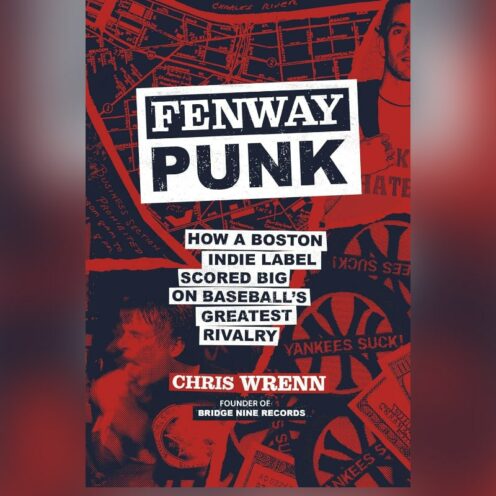
Not everyone is cut out for the “life of the hustle”, but Chris Wrenn certainly was. The founder and owner of Bridge Nine Records recalls his early days of hustling sales of stickers and buttons donned with the simple, but effective, slogan of “Yankees Suck!” to trigger the right emotions of the Boston Red Sox faithful. This tale of Wrenn’s unique way of creating entrepreneurial revenue through unique means, led to him funneling this cash into some of the earliest releases of what would become Bridge Nine Records, a respected indie label in the punk/hardcore scene. Wrenn’s author voice comes through the pages as genuine, warm, and authentic as he recalls the circumstances that led to him wanting to start his own record label. Fenway Punk is equal parts biography as much as it is a story of how fellow prospective business owners and/or record labels could learn key lessons from Wrenn’s experiences in their own endeavors.
Wrenn does a commendable job of explaining baseball’s greatest rivalry between the Boston Red Sox and the New York Yankees, while focusing more on the modern aspects of what was going on in his life with this match-up, leading up to the Red Sox eventual breakthrough in 2004 by winning their first World Series since the “Curse of the Bambino”. Wrenn is rich with his knowledge of what makes Boston Red Sox fans so passionate, and he utilized this shared passion by seeing a business opportunity outside the gates of Fenway Park. Wrenn paints a vivid picture of how the early sales of his merchandise may have rubbed the official vendors outside of the stadium the wrong way, how he eventually appeased these competitors, his run-ins with local law enforcement and the “Codees” (a term Wrenn used to describe the Fenway Park vendor enforcement agents).
Wrenn also shares a detailed history of the early stages of Bridge Nine Records, from the first few band signings to the breakthrough of American Nightmare, that would spark interest from other artists wanting to work with him. Wrenn shares how he put the literal pieces together in selling the first few releases of Bridge Nine on dubbed cassettes, 7 inch vinyl, and eventually their first full-length releases that would put the indie label on the map and become the respected punk/hardcore record label it is today. The book is a fantastic and quick read, and it’s one that I couldn’t put down. Fans of sports rivalries, tales of entrepreneurship, record label start-ups, or music in general will surely find something that they can cling onto and enjoy on Fenway Punk.