
 Rough Landing, Holly
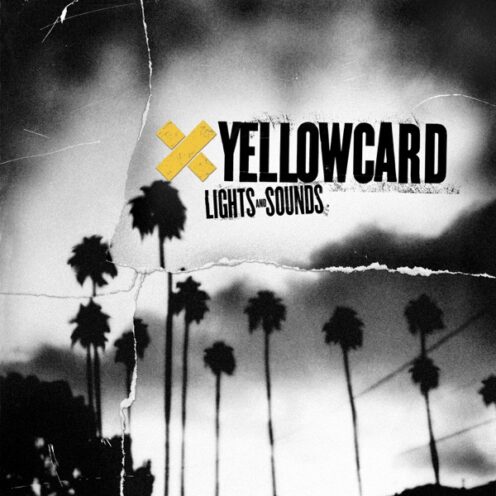
 On the surface, Lights and Sounds had all the makings of a big rock record. Yellowcard paired up with a trusted producer in Neal Avron, who also worked with the band on their breakthrough, Ocean Avenue. The album had an incredible lead single out of the gate with the aggressive title track, and was mixed by veteran Tom Lord-Alge. What left fans most perplexed by what their heard from Yellowcard was the near abandonment of the sound that made the band a household name with Ocean Avenue. Instead, Yellowcard leaned into a darker-tinged alternative rock approach to their music that led to a bit of confusion and lukewarm critical reviews of the material. Lights and Sounds would debut at number five on the Billboard 200 charts, and would eventually achieve Gold certification from the RIAA in March of 2006. My memories surrounding this particular album were the polarizing affect it had on Yellowcard’s trajectory as an artist, how it would lead to confusion in the band’s fanbase, and then the biggest of swings back in the right direction with the 2007 successor of Paper Walls. At the end of the recording process, lead guitarist Ben Harper would leave the band and would be replaced with the now-permanent member of Yellowcard, Ryan Mendez. This rollercoaster of emotions surrounding Lights and Sounds would’ve been enough to break the spirit and desire of most bands, but luckily for us, Yellowcard would take this detour in stride and rise once again.
The set would spawn just two singles in “Lights and Sounds” and “Rough Landing, Holly” before Yellowcard would re-group and grow from this experience. Violinist Sean Mackin shared about the direction of the record by saying, “I think that the band went on…maybe not a tangent, but we had a goal in mind, and at the end of the recording process, we were so proud of how artistic we were. And I think we showed too much. I think maybe we were a little too jaded and a little too dark, and I think that the lack of hope and faith that we put on this record made us a little less sparkly and light to people. But I think that it’s all part of our evolution. We all went a bit too far.” While the record didn’t hit the highs that Yellowcard thought it might during their recording process, there’s still plenty of fans who point back to this record as having some key moments that would lead to the band finding their true footing.
The album itself begins with the instrumental “Three Flights Up”, a relatively new concept from Yellowcard, that they would later put on other albums like Lift a Sail to help set the right tone for their vision. This quickly bleeds away into the aggressive title track that showcases what Yellowcard were capable of creating when they leaned further into alternative rock style and trusted their instincts as musicians. I still feel that this is one of the better lead singles that Yellowcard ever released, even if the material that surrounded it on the album wasn’t up to par. “Down On My Head” begins the process of getting into the darker feelings running through vocalist Ryan Key’s mind, while “Sure Thing Falling” seems to be more in line with the title track with the introductory guitar riffing. The verses of the latter are more on the somber side, but Yellowcard add in a brighter chorus to prevent it from being too much of a bummer song.
Other songs on the front half of the LP like “City of Devils” never really find their footing and break up the early momentum gained. “Rough Landing, Holly” was the second and final single to be released from the set and it rocks with a greater purpose than most of the other “deep cuts” found on Lights and Sounds. Any time that Yellowcard seem to get that momentum back, they come back in the sequencing with down-trodden songs like “Two Weeks From Twenty” which eventually made for an unbalanced effort.
”Waiting Game” would give an exit ramp to where Yellowcard could and would take their sound on Paper Walls, and it’s one of the better songs on the back half of the record. “Martin Sheen or JFK” is another example of where Yellowcard showed key signs of life that they were the same band I fell in love with on Ocean Avenue and that is worth the journey to see where they would take their sound next. But for every one of these strong moments, there’s a bit of a dud in “Space Travel” and even moments on “Grey” that seem disjointed in their song structure.
The closing trio of “Words, Hands, Hearts”, the ballad of “How I Go” and then the crisp closer of “Holly Wood Died” highlighted the direction that Yellowcard leaned heavily into on Lights and Sounds, and proved they were more than capable of recovering from this commercial disappointment. Looking back on the upcoming 20th anniversary of this key moment in Yellowcard’s trajectory shows that this band is resilient, scrappy, and worthy of the legacy they’ve created and thus re-solidified after their lengthy hiatus and now-revival.