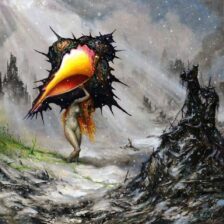
Review: Circa Survive – The Amulet

Circa Survive - The Amulet

By all accounts, Circa Survive shouldn’t be here. The band’s frontman, Anthony Green, sometimes can’t even believe that the band has survived all the demons and turmoil over the course of their career. But Green and his bandmates have continually persevered through it all, alive and thriving with their sixth full-length album (and Hopeless Records debut) The Amulet, the band’s darkest and most personal piece of art yet.

The hazy opener, “Lustration,” begins with Green’s familiar croon before erupting into an unshakeable groove provided by drummer Steve Clifford. It’s a warning of sorts (“Beneath your finger nails/they’ll find small pieces of stone/you’ll face the sun/cut with the pressure point”) mixed in with Green’s desperate pleas (“I don’t want to be the anchor on your chest“ and “I don’t want to see the moment you forget”). Elsewhere, the album’s ominous vibe penetrates on tracks like “Premonition Of The Hex” and “At Night It Gets Worse,” with the latter being a career highlight. Its glacial pace slowly picks up as the implied dread increases, leaving the listener feeling uneasy. We also get some of Will Yip’s best production work ever – the thrilling guitar riff that kicks off “Stay” is incredibly crisp and Nick Beard’s bass work across the record (especially on the Juturna-esque “Tunnel Vision” ) is thoroughly killer, providing the backbone to the vast majority of The Amulet. Colin Frangicetto and Brendan Ekstrom’s dueling guitar acrobatics are a pleasure as well – “Never Tell A Soul” never lets up the pace as Green tears through the chorus.

Read More “Circa Survive – The Amulet”

Review: Sammi Lanzetta – For Avery

Sammi Lanzetta

Sammi Lanzetta is undoubtedly a new, and welcome face in the rock scene. Her first song showed up on Bandcamp in May of 2016. “House Plants” instantly shows off what kind of artist she is, with a sound best described as “anxiety rock.” On her new EP, For Avery, we get a better exploration of this sound. The EP consists of four songs none run over two and a half minutes. Lanzetta gets right to the point and that gives the EP has a great flow.

“Circles” pulls no punches with its biting opening line: “Why are you such a misogynist? I would rather slit my throat than be stuck in a house with you.” Now, if that doesn’t tell you exactly what you’re diving into with For Avery, then I don’t know what would. While the lyrics bare it all, the music is painfully real as well. She sings about her fears, anxiety, and many more emotions in the relatively short amount of time of just four songs. “Anxiety Olympics” is completely upfront about being around other people her age and how she may pale in comparison. She wants to be better, but also doesn’t want it to feel like a competition. That just might be something we can all relate to, even for those of us who are competitive.

Read More “Sammi Lanzetta – For Avery”

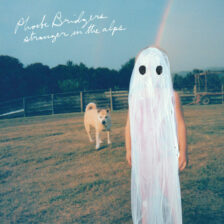
Review: Phoebe Bridgers – Stranger In The Alps

Phoebe Bridgers

The connection found amongst shared interests within pop culture can be the catalyst for some of the strongest bonds in life. A terrible day capped off by the most mundane social event, spent staring at carpets with a drink in hand, can be altered by the moment another human mentions a band you love or nonchalantly slips a quote from your favorite sitcom into conversation; ears prick up from across the room, time stops for a second, a small spark and a “me too” moment occurs. In January of this year, 23-year-old Phoebe Bridgers released “Smoke Signals,” and it managed to hone in on that precise feeling. Packed with references to Bowie, Lemmy, Thoreau’s Walden, The Smiths, and a guitar line that emulates the Twin Peaks theme, the song encapsulates the warm-glow of discovering a connection via a first conversation with someone. It’s a masterclass in introspection and nostalgia that transcends boundaries in a way that it could soundtrack any one of our very own memory trips.

It’s this intimate, conversational approach of Bridgers that makes her debut album Stranger In The Alps a gut-punch of a triumph. The sheer candor and familiarity as foundations are rare to find but the listener has a goldmine here, resulting in one of the most rewarding and affecting records of the year.

Read More “Phoebe Bridgers – Stranger In The Alps”

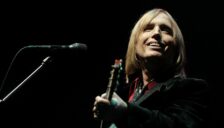
How Tom Petty Taught the World to Fly

Tom Petty

Tom Petty is the sound of summertime. “American Girl.” “Learning to Fly.” “Wildflowers.” “Free Fallin’.” Losing him is like losing summer, forever.

That was one of the first thoughts I tweeted out yesterday afternoon, following the deluge of bad news about Petty. It was already a hard day. Between waking up to news of the Las Vegas tragedy and spending the entire day thinking about my grandfather, who passed away on October 2, 2014, it was a lot to handle. Losing Petty out of nowhere, less than two weeks after he wrapped another summer-conquering tour, felt like the devil playing a trick. When news broke that Petty was not in fact dead and was “clinging to life,” I dared to hope that he might pull through—even as the sounds of Southern Accents and Into the Great Wide Open filled my living room.

Alas, those hopes were for naught. Last night, at 8:40 PST, Tom Petty passed on, surrounded by his family, friends, and bandmates.

You’d think that after 2016, we’d be used to losing legendary rock stars. After a year that took Bowie, Prince, Leonard Cohen, and a slew of others, we’d be a little more prepared to say goodbye to our heroes. That’s not the case. Losing Petty hurts especially for me, not just because I adored his art, but also because without him, so much of the music I love wouldn’t exist.

Read More “How Tom Petty Taught the World to Fly”

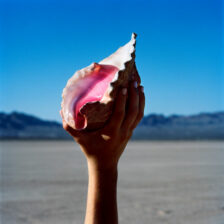
Review: The Killers – Wonderful Wonderful

The Killers just can’t seem to catch a break.

You’d think that penning one of the most iconic, ubiquitous pop songs of the millennium would win you some points. Same with putting out a debut album that almost single-handedly prolonged the life of rock radio for an extra year or two. By all accounts, Brandon Flowers and company are nice guys who work hard, put on an exceptional live show, and have a better track record of radio singles than any other rock band this side of the Foo Fighters. But The Killers have never been cool. They certainly never earned the stamp of approval from critics, who took the “No Fun Police” stance against the singles from Hot Fuss and then vowed to bury the band when Brandon Flowers had the audacity to suggest that 2006’s Sam’s Town would be “one of the best albums in the last 20 years.” Most music writers expected The Killers to be a flash in the pan, and they were graciously willing to help the band reach their inevitable demise.

But a funny thing happened along the way: The Killers held on. As radio rock died, they kept writing hits. As the critical darling indie rock bands of the early 2000s slid toward mediocrity or obscurity or both, The Killers remained stubbornly present. Now, 13 years after Hot Fuss and five years after their last album, The Killers are back, and they are every bit as inescapable as they always have been. In the release week of September 22nd, which saw a massive deluge of new albums from acclaimed and up-and-coming artists, no one got as much press as The Killers.

Read More “The Killers – Wonderful Wonderful”

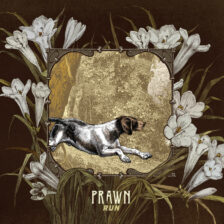
Review: Prawn – Run

In 2003, The Appleseed Cast released Two Conversations, the followup to their critically acclaimed two-disc Low Level Owl project. Fans were disappointed. Two Conversations was decidedly more commercial than Low Level Owl; the ambiance was replaced with melody and, it seemed to fans, the band traded ambition for accessibility. It’s true that Two Conversations shifted away from the unrepentant post-rock sound of the Low Level Owl CDs, but it’s also true that it’s an impressive album in its own right, even if it isn’t what was expected out of The Appleseed Cast. Most have come around to that by now.

I foresee something similar happening with Prawn’s new album, Run. 2014’s Kingfisher was unanimously praised on release by fans and critics alike. The record’s blending of emo and punk with post-rock made for an engrossing listen – one you can sing along to as well as brood to. Like Two Conversations, Run is a far more straightforward album than its predecessor. It’s more Into It. Over It. than Moving Mountains, let’s say – especially when the punk influence shines through on songs like “Empty Hands” and “Snake Oil Salesman.” The latter of which is a highlight on the record; Tony Clark shouting, “I know what you’ve been selling,” is one of the most fun moments in the band’s whole discography.

Read More “Prawn – Run”

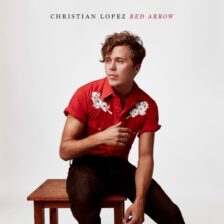
Review: Christian Lopez – Red Arrow

2017 has been a miraculous year for young talent in the country/roots music space. From Colter Wall to Tyler Childers to Lindsay Ell, a fair chunk of the best albums in those genres this year have been made by twenty-somethings. Add Christian Lopez to the list. At 22 years old, Lopez is just crossing the boundary between youth and adulthood. His brand-new sophomore record, Red Arrow, is all about making the journey.

A crisp collection of roots-pop songs, built on a foundation of catchy melodies and organic instrumentation, Red Arrow is as immediate a record as you’ll hear this year. That might be a surprise, given Lopez’s youth. Shouldn’t a guy who’s only been on the planet since 1995 still be learning the ropes of this whole album-making thing? Apparently not. While Lopez is young, he’s not inexperienced. He’s been touring tirelessly for the past few years, building a following largely on the back of hard work and strong word of mouth. And it also can’t hurt that he’s made his first two albums with two of the best and most respected producers working in roots music right now.

Read More “Christian Lopez – Red Arrow”

Interview: Noah Gundersen’s Restless Heart

Noah Gundersen

In 2014, Noah Gundersen released his first full-length album. The record in question, Ledges, was a masterclass in contemporary folk music, loaded with confessional lyrics, acoustic guitars, and fiddles. By all accounts, Gundersen seemed like a traditionalist.

In 2015, Gundersen quickly followed Ledges up with his sophomore LP, the spiritually fraught Carry the Ghost. It was still a folk album, but Noah was fleshing things out, adding fractious electric guitar and other elements of full band instrumentation into the mix. It was clearly the work of a young songwriter who was yearning to grow.

Between the fall of 2015 and the early winter of 2016, Gundersen did two tours in support of Carry the Ghost. The first was a full-band endeavor, presenting the songs on Ghost as they were meant to be heard. The second was a solo tour, where Gundersen played songs from both Ledges and Carry the Ghost on acoustic guitar, solo electric guitar, and piano. It was a stark, intimate presentation, and it showed off what made Gundersen so special: his vulnerable, fragile voice; his songs that could work well no matter how much he built them up or stripped them down; and his honest, forthright lyrics.

But something was wrong. Gundersen was having a crisis of faith—not the same crisis of religious faith he wrote about on Carry the Ghost, but a crisis of faith in his own art. When I saw Gundersen on the solo tour for Ghost, he was pointedly reserved. He bantered with the audience occasionally, but during the songs, his eyes were cast toward the floor or closed entirely. And at the end of the show, when a condescending moderator led a Q&A session and suggested that Gundersen was “so young” and “couldn’t have possibly experienced what he sang about in his songs,” Noah seemed at a loss for how to answer—at least politely. When the Q&A ended, Gundersen headed quickly for the stage door.

Read More “Noah Gundersen’s Restless Heart”

Interview: Brian Sella of The Front Bottoms

The Front Bottoms

Brian Sella is a notoriously sweet guy. So sweet, in fact, that he doesn’t even correct me when I refer to his band’s new single as “Raindrops” rather than its correct title, “Raining.” When I ask him if he still gets nervous playing shows, he replies, “Oh, totally!” When I inform him that I’ve been doing interviews for three years now, but that I was still nervous to speak with him, he laughs.

“Oh, don’t worry about it! You’re a professional. That’s what you’ve gotta tell yourself.”

In the context of The Front Bottoms’ discography, Going Grey reflects Sella’s current “vibe,” a word he uses frequently in our conversation. As he’ll tell me, the band learned that an “anything goes” attitude in the studio can result in plenty of band and fan favorites. In this way, Going Grey is an expansion of the polished-yet-experimental sound of their 2015 powerhouse, Back on Top. It continues to analyze topics such as mortality, relationships and getting older – oftentimes within the same three-minute pop song.

Read More “Brian Sella of The Front Bottoms”

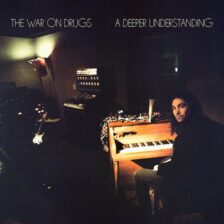
Review: The War on Drugs – A Deeper Understanding

The War on Drugs weren’t just a buzz artist in 2014: they were arguably the artist of the year. In a year that lacked an obvious consensus critical favorite—thanks in part to the fact that most of the “big artists” stayed quiet—an unassuming rock band from Philadelphia snagged a whole boatload of accolades. Sure, not every publication chose Lost in the Dream, the band’s grandiose third LP, for its top honors, but no album appeared on more lists or managed a higher average rank.

That breakout year could have fundamentally changed things for Adam Granduciel, the frontman and mastermind of The War on Drugs. The band made the jump from Secretly Canadian, the indie label that had put out their first three records, to the major leagues, signing with Atlantic. But rather than interfere or try to push Granduciel toward something more marketable or palatable to radio audiences, Atlantic seemingly just let the man do his thing. The result, a new album called A Deeper Understanding, somehow manages to improve upon its predecessor in every way without abandoning the signature sound it established.

Read More “The War on Drugs – A Deeper Understanding”

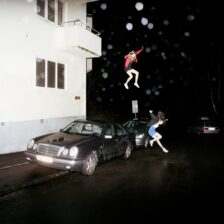
Review: Brand New – Science Fiction

Brand New - Science Fiction

If asked to condense Brand New’s career into one word, that word would be “reactive.” From the title of their second album, Deja Entendu, translating to “already heard” to the abrasive, pedal-infused guitars that dominate their fourth album, Daisy, Brand New have always been a band known to react to critics, fans, and perhaps most importantly, themselves.

For many readers of AbsolutePunk.net (R.I.P.) and now this site, August 17th was a day eight years in the making. It started in typical Brand New fashion with fans receiving cryptic packages in the mail, sparking internet confusion and excitement. This time, however, that package contained the band’s fifth (and presumably final) album, Science Fiction – a fitting goodbye to fans who waited just as long for lyric booklets, let alone a new album. After all, frontman Jesse Lacey has been uncommonly direct about the band’s whereabouts this past year, announcing things like, “We’re done,” at shows, selling shirts predicting the band’s end (2000 – 2018) and even ribbing the band’s bad habits on standalone single “I Am a Nightmare” (“I’m not a prophecy come true/I’ve just been goddamn mean to you”).

Read More “Brand New – Science Fiction”

Review: Barlow – In a Stranger’s Car

Barlow

Barlow is a Pittsburgh-based noise-pop band comprised of three people in their early twenties. Over the past five years, the band has released three full-length albums, a B-sides compilation, three EPs, two splits and two singles in addition to frontman Ethan Oliva releasing a 35-track solo album and 52-track Guided By Voices tribute album – both in 2015. Perhaps most impressive about this observation isn’t the amount of music they’ve released, but the consistency that can be traced all the way back to the band’s beginning. Oliva’s commitment to producing quality music is the stuff of legends and reflects the prolific tendencies of his most obvious influences. With this in mind, the band’s third LP, In a Stranger’s Car, is another success rooted in growth, confidence to explore the darker side of pop songwriting and pedalboards that would make Kevin Shields blush.

Those new to the band may instantly recognize the four-track production that marked much of college and indie-rock in the 90s, and there’s a skillful use of dissonance between the crackling of cassette tape and the band’s bubblegum melodies that’s always played to their advantage. That is no less evident here as opener “Tirebiter” lets its squealing, distorted guitars take hold of the track and never let go. These same guitars are evident during the album’s most eclectic standout, “You Have to See It,” which splits its time equally between an aggressive, blown out chorus and delicate, eerie verses that reflect the album’s artwork. Also highlighted are the album’s longest tracks, single “False Eye” and closer “Time Man.” The former, Oliva’s self-professed favorite Barlow track, plays like a greatest hits experience in four minutes, explosive in the way it changes directions and executes several of the band’s trademark sounds.

Read More “Barlow – In a Stranger’s Car”

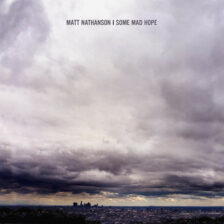
Review: Matt Nathanson – Some Mad Hope

Few albums sound more like growing up to me than Matt Nathanson’s Some Mad Hope. Last year, for my 26th birthday, I wrote a blog post where I chose one defining song from every year I’ve spent on the planet. “Car Crash,” the opening track from Some Mad Hope, was my pick for 2007. For me, that song—and this record in general—marked the end of youthful innocence and the beginning of something a little more complex and a little less black and white. It’s tough to imagine a better record for that moment in life than Some Mad Hope, which effortlessly pairs pop hooks and anthemic arrangements with emotionally weighty lyrical work. What is tough to process is the fact that this record—the one that marked the start of my journey from youth to adulthood—is now 10 years in the rearview.

Some Mad Hope would prove to be Matt Nathanson’s breakthrough, but it wasn’t his first record. On the contrary, in Nathanson’s catalog, Some Mad Hope holds the status of being the sixth LP. He’d moved the needle slightly in the past. His cover of the James hit “Laid” opened American Wedding, the final film in the initial American Pie trilogy, and his fifth album, 2003’s Beneath the Fireworks (produced by future Springsteen collaborator Ron Aniello) spawned reasonably well-known tracks like “I Saw” and “Curve of the Earth.” But until this record, Nathanson tended to be known as an artist who put on a fantastic live show, but could never quite translate the energy and fun of his concerts into compelling studio records.

Read More “Matt Nathanson – Some Mad Hope”

Interview: Keep on Dreaming Even If It Breaks Your Heart: The Renaissance of Will Hoge

Will Hoge almost got the dream.

In 2015, the independent Nashville-based recording artist seemed poised to win the country music lottery. He and his band had been picked by a major radio conglomerate as a spotlight artist, to be introduced on a mass scale to radio listeners nationwide. Looking back now, Hoge says the slot was virtually a guarantee of a top 10 record in the country music sphere. “This is exactly what the program is for,” the radio group told him and his band: spotlighting new artists or independent acts and helping them find a home in the infamously commercialized world of country radio.

For Hoge, being picked as a next big thing was the realization of a long-held dream. He’d released his first record—as part of the band Spoonful—in 1997, before going solo with 2001’s Carousel. What followed was a series of well-liked and respected records that melded country, southern rock, and heartland rock into something that sounded like a twangier Springsteen. For 2003’s Blackbird on a Lonely Wire, Hoge got scooped up by Atlantic Records, but the album failed to take off and it was back to the independent musician game after that.

Still, Hoge kept trucking and was eventually rewarded for his persistence. In 2012, Eli Young Band recorded a version of “Even If It Breaks Your Heart,” a song from Hoge’s 2009 record The Wreckage. The song was the opening track and second single from Eli Young Band’s Life at Best album, and it ultimately reached number one on the Billboard country chart. Suddenly armed with a number one song to his name, Hoge landed his 2013 track “Strong” in a widely syndicated ad campaign for Chevrolet Silverado. The song charted modestly on country radio, but it was enough to convince Hoge that if he really tried to play the game, he might just be able to make some magic happen.

Read More “Keep on Dreaming Even If It Breaks Your Heart: The Renaissance of Will Hoge”

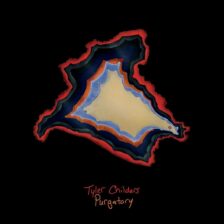
Review: Tyler Childers – Purgatory

Earlier this year, when Canadian country singer Colter Wall released his self-titled debut record, it felt like someone had caught lightning in a bottle. How was it possible that this young, 21-year-old kid could produce the kind of booming, haunting baritone voice he sang with? How could he get closer to sounding like Johnny Cash than anyone in Nashville, when he’d only been seven years old when Cash passed away? It felt like Wall had the kind of once-in-a-generation voice that was going to make him a country music legend. And then you got to the penultimate track, a take on the old German folk song “Fraulein,” and heard another breathtaking voice stealing the show.

That voice belonged to Tyler Childers, an unheralded (at least until now) singer/songwriter hailing from the state of Kentucky. Like Wall, Childers is young. He’s 26 now and has been touring the southern and midwestern United States since he was 20. But Childers doesn’t have Wall’s cavernous baritone voice. Instead, he’s got a gritty, versatile tenor, equally adept at selling loud honky tonk rave-ups and tender, lovelorn ballads. It begs the question: what kind of deals with the devil did these two young troubadours have to strike to get such distinctive instruments so early in their lives? And if country music has these kinds of remarkable young talents hiding around the fringes, then why the hell are we putting up with nothing vocalists like Jason Aldean and Thomas Rhett?

Read More “Tyler Childers – Purgatory”