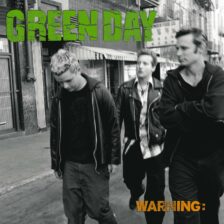
The sixth studio album from Green Day, Warning, tends to get forgotten way too often, and yet it has all the makings of a killer record from the punk band. The LP finds Green Day at arguably their most melodic, and there’s no denying the catchiness of these songs that were self-produced by the band. Coming off of another breakthrough success in 1997’s Nimrod that spawned the smash single of “Good Riddance (Time of Your Life)” that was literally everywhere when it was released, Green Day could’ve gone in a multitude of directions on this follow-up. There’s something really endearing about a band willing to take some creative freedom by self-producing their music at this stage of their career when their songwriting was truly blossoming at the right time. The set has now gone on to sell over 1 million units in the States, while selling over 3 million copies worldwide. Any other band would give their left arm for those numbers, but Green Day would brush off any talks of Warning being a commercial disappointment by going even bigger and bolder on their punk rock opera known as American Idiot in 2004. Warning deserves another look on its 25th anniversary, and it’s one of my favorite pop-punk records of all time.
Read More “Green Day – Warning”Review: The Fray – How To Save A Life
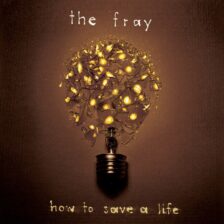
We all know the song by heart by now. “Step one, you say we need to talk / He walks, you say, ‘Sit down, it’s just a talk’ / He smiles politely back at you / You stare politely right on through,” are the lyrics fully ingrained in my head from the debut studio album from The Fray and their break-though single of the same name. How To Save A Life got a bit of an unfair shakedown from critics upon its release nearly 20 years ago today. Some critics went as far as saying the band “lacked originality”, but you have to remember what was going on in the Alt Rock scene at that time. Coldplay had already solidified themselves as major players with their first two records, Radiohead were releasing game-changing records left and right, and The Fray were coming onto the “soft rock” scene budding with promise and starry-eyed vision for their piano-laced music. How To Save A Life has since been certified double platinum by the RIAA, and it also became one of the all-time best-selling digital albums of that decade.
Read More “The Fray – How To Save A Life”Review: Filter – Short Bus
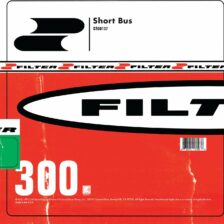
The story of Filter began when lead singer/band founder, Richard Patrick, mentioned in past interviews that when he was chatting with his touring bandmate of NIN singer (Trent Reznor), he suggested that Patrick make his own record while Nine Inch Nails went off to record their now-classic of The Downward Spiral. The tunes that Richard Patrick crafted on Short Bus were heavily influenced by his time in touring with NIN, yet they feature a lot more guitar parts in them to set Filter on a different artistic course than the aforementioned other touring project. Short Bus was released on April 25th, 1995, and has sold over a million copies in the U.S., spearheaded by the breakthrough success of Filter’s debut single of “Hey Man Nice Shot.” The set was co-produced by Richard Patrick and his musician friend, Brian Liesegang, who conceived the idea of Filter in the early 90’s. During the recording sessions, Patrick acted as the primary songwriter/bassist/vocalist, while Liesegang primarily handled production duties and programming the drum machine they used on Short Bus, and the duo split the guitar duties. While the band’s sophomore record, Title of Record, would blast Filter into the Alt Rock mainstream with the soft rock hit of “Take A Picture,” Short Bus is ultimately the album that longtime Filter fans point to as the key moment in time when Richard Patrick and Brian Liesegang were at their creative peak.
Read More “Filter – Short Bus”Review: Blindside – The Great Depression
The twentieth anniversary of the fifth studio album by Blindside is coming up this weekend, so it’s time to revisit The Great Depression. The album was largely influenced by a trip to Africa that their lead singer, Christian Lindskog, which left the singer “unsettled” by his experience and the things he saw vastly influenced the direction of the record. The LP also found Blindside going with an independent label, after the moderate commercial success of Silence and About a Burning Fire, and deciding to work with a different producer as well in Lasse Mårtén. While I felt the pairing of the previous two records with veteran producer, Howard Benson, was a match made in music heaven for Blindside, The Great Depression is truly an “artist’s record” in that the band was beginning to see the world through a much different lens. The set would spawn two singles in “Fell In Love With The Game” and the reflective “When I Remember,” but had trouble gaining traction commercially. The album is still adored by many Blindside fans to this day, and it’s easy to see why after a fresh listen. The Great Depression marked a significant shift in Blindside’s artistic direction, and left hints as to where they would take their sound on subsequent releases.
Read More “Blindside – The Great Depression”Review: The All-American Rejects – Move Along
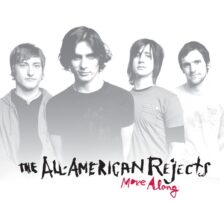
”When all you got to keep is strong / Move along, move along like I know ya do / And even when your hope is gone / Move along, move along just to make it through.” Simple lyrics, but immediately impactful from The All-American Rejects on their sophomore smash of a record called Move Along. The band found an immediate spark in their songwriting under the careful tutelage of veteran producer Howard Benson, recorded by Mike Plotnikoff, and mixed by a “living legend” in Chris Lord-Alge, AAR struck gold…rather platinum (x3). This was the first album to feature guitarist Mike Kennerty and drummer Chris Gaylor, while the band’s self-titled debut was a two-piece effort between Tyson Ritter (vocals/bass) and Nick Wheeler (guitars/keyboards/programming). Looking back today on the record that changed The All-American Rejects commercial prospects for the foreseeable future is a fun task. The album spawned three singles in the infectious guitar pop of “Dirty Little Secret”, the timeless title track, and the piano-laced ballad of “It Ends Tonight.” The band has found an entirely new shelf life to Move Along, and their entire discography, by self-promoting impromptu house parties to begin the next phase of the band.
Read More “The All-American Rejects – Move Along”Review: Alkaline Trio – Crimson
Crimson had all the makings of a big rock record. It had great production (courtesy of Jerry Finn), larger than life art and imagery in the music videos and record packaging, a great narrative throughout the album, and improved songwriting from Alkaline Trio. So it comes as a bit of a surprise that this classic record didn’t get certified as gold by the RIAA. Crimson was the fifth studio album from Alkaline Trio, and would be the last time that the band would work with Jerry Finn before he passed away in 2008. The set would spawn three singles in “Time To Waste”, “Burn”, and “Mercy Me” and the album is still adored by many Alkaline Trio fans and even casual fans who got wind of the music through compilations and more. The album was recorded at Conway Studios in Los Angeles, California and even had an early album title of Church and Destroy. The band would continue to gain a loyal following of fans in key support tours with My Chemical Romance, Rise Against and others during the promotional period of Crimson. The LP still holds up to this day with its slick songwriting, big hooks, and a stellar vocal performance from Matt Skiba.
Read More “Alkaline Trio – Crimson”Review: Twenty One Pilots – Blurryface
The game-changing fourth studio album by rock band Twenty One Pilots is turning ten years old over the weekend, so it’s only fitting for us to take another look at what made Blurryface so special. The Fueled By Ramen release was an immediate success. The record debuted at the top of the Billboard 200 in its first week of release, it was the first album in Billboard history for every song on the record to be at least Gold certified, and it has since been certified as 4x Platinum by the RIAA. Putting a fresh pair of ears on Blurryface in 2025 brings back a flood of good memories for me. I had become a fan of the band from a friend sharing the band’s third record, Vessel, with me, but I was floored by the artistic development found on Blurryface. Tyler Joseph had a hand in co-producing each of these tracks with a handful of other producers gently adding some insight and their experiences to make sure the songs really shined. From the frenetic opening drum sequence by Josh Dun on “Heavydirtysoul” all the way to the somber reflection of “Goner” that slow-builds to a dramatic crescendo, Blurryface has a little bit of everything in it for fans of all genres to enjoy. Fueled By Ramen would happily release six singles from the 14-track effort, and each of these infectious songs are as immediately gripping as the first time I heard them.
Read More “Twenty One Pilots – Blurryface”Review: The Starting Line – Based On A True Story
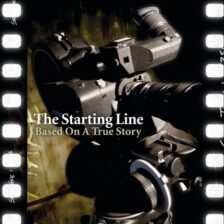
Most bands wouldn’t survive the label turmoil that went on during the promotional period of Based On A True Story, the sophomore record from The Starting Line. Despite reaching as high as #18 on the Billboard 200 upon its release in May of 2005, the album was basically shelved once Geffen Records decided that they were not going to make the LP one of their priorities. It’s a shame that only one single (“Bedroom Talk”) was released from this album since there really are a lot of gems to be found in The Starting Line’s songwriting here. Tim O’Heir produced the majority of the songs on Based On A True Story, but the label wasn’t thrilled with the sound found on the songs they were hoping would take off on radio, so they recruited veteran hitmaker Howard Benson (My Chemical Romance) to provide some guidance on “The World” as well as “Bedroom Talk.” A third producer, Eric Rachel, was enlisted for “Making Love To The Camera”, which would explain some of the unbalanced production elements when played from front to back. The Starting Line battled with their label to the bitter end to ensure they could release the record that the band wanted to make, even if it led to them forfeiting the rights to the recordings themselves. Ultimately, this is what happened, leaving some uncertainty to the future of the album for vinyl represses and so forth. With so much drama going on behind the scenes, it’s truly a miracle that this record saw the light of day, yet fans have adored Based On a True Story for a reason: the songs are really great.
Read More “The Starting Line – Based On A True Story”Review: Acceptance – Phantoms
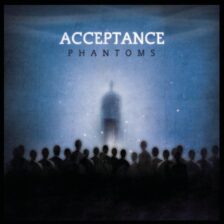
The debut album from Acceptance will be turning 20 over the weekend, so it’s only fitting for us to take another look at the cult favorite record known as Phantoms. The band’s strength came from the great partnership between lead guitarist Kaylan Cloud and dynamic vocalist Jason Vena, and their ability to convey a wide range of emotions through their unique brand of rock. The set was produced by veteran hit-maker Aaron Sprinkle, who leaves his great blueprint all over this shimmering album. The promotion cycle Phantoms included only two singles, “Different” was the lead single, while the more upbeat “Take Cover” followed up on the modest success of the debut single. The band would follow the release of Phantoms with tours with bands like Vendetta Red, Head Automatica, Anberlin, Saosin, and more to work on their live show that had steadily improved since Acceptance formed in 1998. Acceptance would take a lengthy hiatus in 2006, only to reunite and re-capture their spark in 2017’s equally great Colliding By Design. Phantoms signaled a key moment in Acceptance’s rise in the crowded emo scene, and it’s a shame that the record didn’t take off as much as it clearly should have.
Read More “Acceptance – Phantoms”Review: Joywave – How Do You Feel Now?
It seems like just yesterday I was finding out about a band named Joywave. My initial introduction to the band was through a friend of mine who lent me a copy of How Do You Feel Now?, and I was immediately taken back by Joywave’s cool swagger, slick production (by band members Daniel Armbruster and Sean Donnelly), and the overall package brought forth on this electric debut. Many others first got wind of Joywave through their breakthrough single/collaboration with Big Data called “Dangerous” that was bound to be successful with it’s bass-heavy delivery and great vocal performance from Armbruster. What made Joywave so charming and utterly infectious on this debut record was their ability to blend electronic and indie rock elements into their ever-evolving sound that they tinkered with on their preceding two EPs. While Joywave would go on to release four more full-length records in the ten year span that has passed since How Do You Feel Now? was first released, this album remains their strongest and most creative statement to date.
Read More “Joywave – How Do You Feel Now?”Review: All Time Low – Future Hearts
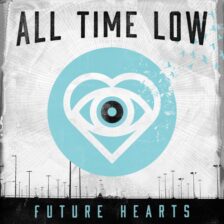
The sixth studio album from pop-punk band All Time Low found them working with a ton of outside collaborators/writers and showcased a slick sound led by production from veteran producer John Feldmann. Future Hearts is now celebrating its tenth birthday today, and each of the 13 songs found on the record featured an outside writer on it. This type of collaboration was new to the band, as they had typically composed the majority of their material in-house. Future Hearts was one of All Time Low’s most successful LPs at launch date, debuting at #2 on the Billboard 200 upon its release and selling over 80,000 copies in its first week. The band took their major label misfire (2011’s Dirty Work) in stride and would quickly follow this up with Don’t Panic and their final Hopeless Records record in Future Hearts. While the band would reach their creative peak on 2020’s Wake Up Sunshine, Future Hearts is filled with a ton of great pop-punk tunes that deserve another look.
Read More “All Time Low – Future Hearts”Review: New Found Glory – From The Screen To Your Stereo
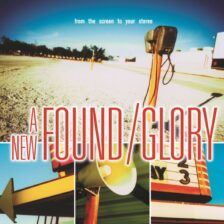
The breakthrough cover series by New Found Glory kicked off 25 years ago with From The Screen To Your Stereo. This compilation of pop-punk covers of famous songs from movies has been long-adored by fans of the band, and NFG has since put out two additional versions of the series as well. Part I is a fun listening experience that preceded New Found Glory’s self-titled record that would make the band a household name on MTV and radio stations alike. This cover album included seven tracks that clocked in at just under the 20-minute mark, and showcased a band figuring out their sound and Jordan Pundik’s evolving vocal range from Nothing Gold Can Stay. The reception to the movie covers EP was more appreciated over time as the band would occasionally add these covers (and others) to their live sets. From The Screen To Your Stereo was produced by New Found Glory and Jeremy Staska, and marks a memorable time in the ascent of one of this scene’s favorite pop-punk bands.
Read More “New Found Glory – From The Screen To Your Stereo”Review: Hit The Lights – Summer Bones
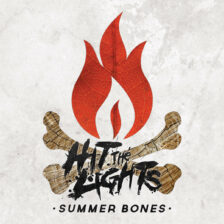
The fourth studio album from pop-punk band, Hit The Lights, called Summer Bones is a solid collection of songs that bookmarked where the band felt most comfortable in. The record has since turned ten years old today, and Hit The Lights have not released a full-length record since then. The closest we got to new music was the 2016 EP, Just To Get Through To You, that also featured acoustic versions of several tracks from Summer Bones. Summer Bones was produced by Kyle Black (New Found Glory/All Time Low/State Champs) and highlights a familiar sound from the band’s most successful record, 2008’s Skip School, Start Fights. After the experimental Invicta, Summer Bones has the vibe of a more matured version of the band, and still plays out well to this day. The set would spawn three singles in “Fucked Up Kids,” “Life on the Bottom” and “No Filter.”
Read More “Hit The Lights – Summer Bones”Review: Radiohead – The Bends
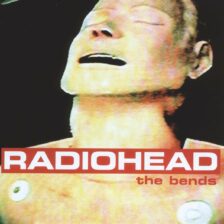
The pressure that bands must feel after delivering a successful debut album must be enormous. Add the backing of a major label to the mix, and the expectations that come with all of that, and it can be enough to make even the most confident songwriters take pause. Radiohead stormed onto the Alt Rock scene with 1993’s Pablo Honey, that spawned a now-legendary lead single in “Creep.” The debut set has gone on to sell over 1.5 million copies in the U.S. alone. The expectation from Radiohead’s label (Capitol Records) was that they could easily replicate this success on their sophomore effort, The Bends. But true art can’t be forced or so easily matched at the click of a button. The reality that began to sink in for this ultra-talented band during the songwriting sessions for this record led to the realization that they would have to go even bigger than anyone could’ve ever dreamt of. Through these sessions, The Bends has gone on to receive numerous critical accolades, including Rolling Stone’s “500 Best Albums of All Time” list and several platinum certifications worldwide.
Read More “Radiohead – The Bends”Review: The Academy Is… – Almost Here
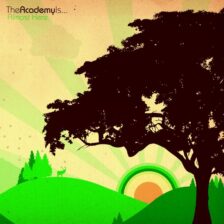
The record that started it all for The Academy Is, and made an instant star out of vocalist William Beckett, has turned 20 years old. In the flurry of bands signed to the label Fueled By Ramen, The Academy Is seemed to be one of the more immediate success stories. The band had formed in 2003, put out their self-titled EP in 2004 and would craft enough material to release their formal full-length debut, Almost Here, in early 2005. The set was produced by James Paul Wisner and he does a nice job of accentuating the band’s strengths. The Academy Is would be staples on the Warped Tour and would later release two subsequent full-length records before going on hiatus in October 2011. Almost Here spawned three singles in “Checkmarks,” “Slow Down,” and “The Phrase That Pays” and by October 2009 the set had sold over 250,000 units.
Read More “The Academy Is… – Almost Here”